Terrace glazing: folding, sliding or frameless – which should you choose?
Five types of glazing, five different results. We compare them on what really matters: will it be warm, how far does it open, what can you see and how much care does it need.
Published: November 4, 20266 min read
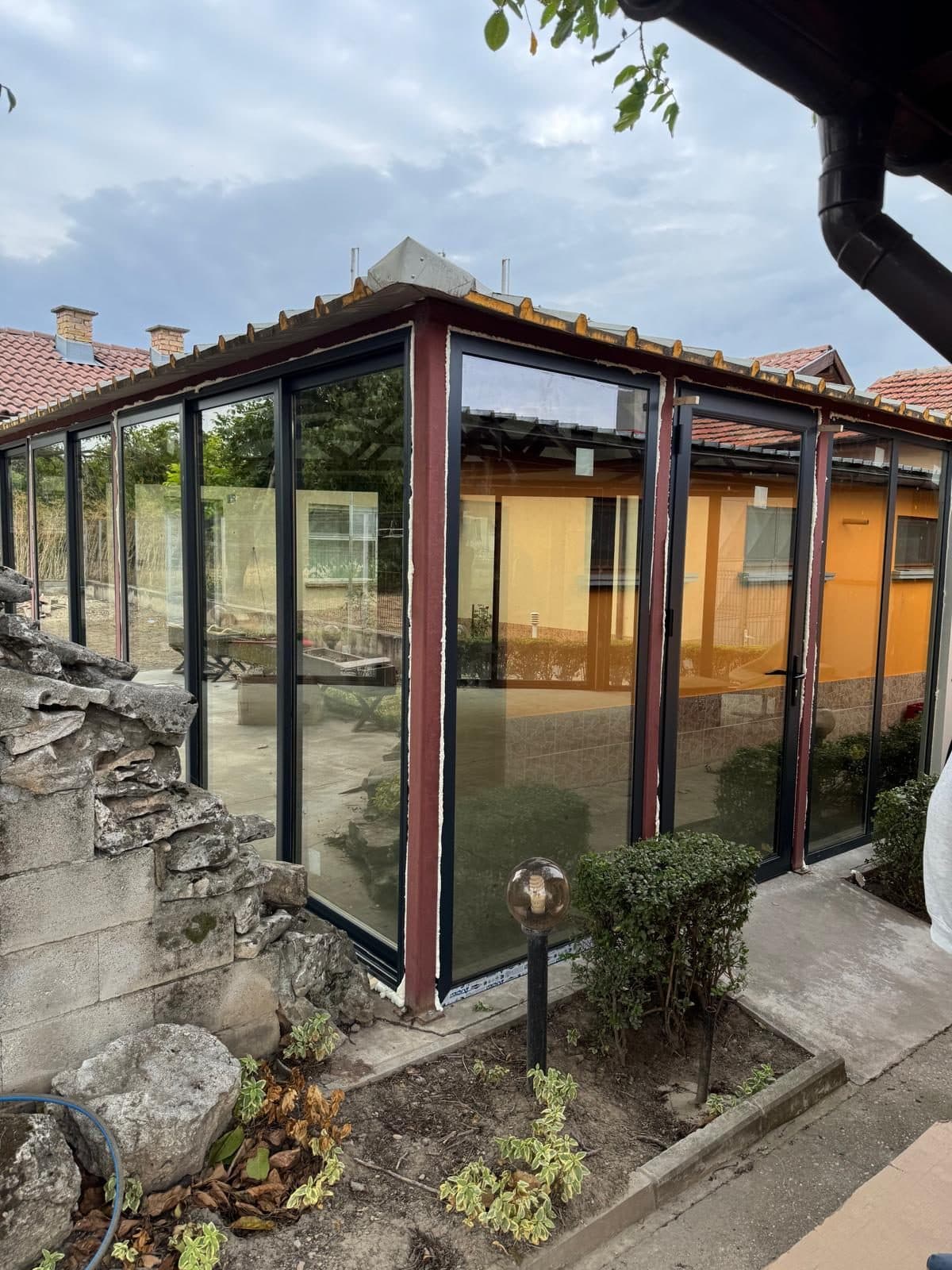
"I want to glaze the terrace" sounds like one decision, but it is really several. Terrace glazing can mean a light glass wall that slides away completely, or real windows with double glazing that make the terrace part of the home. Here are the main types of terrace glazing, how they differ and how to choose without regrets.
First: what kind of terrace do you want?
Before comparing systems, answer one question: a sheltered terrace or an extra room? A sheltered terrace keeps out wind, rain and dust and is used from spring to autumn. An extra room is warm in winter too, but costs more and rarely opens fully. Almost every disappointment comes from choosing a system for the first and expecting the second.
1. Frameless glazing
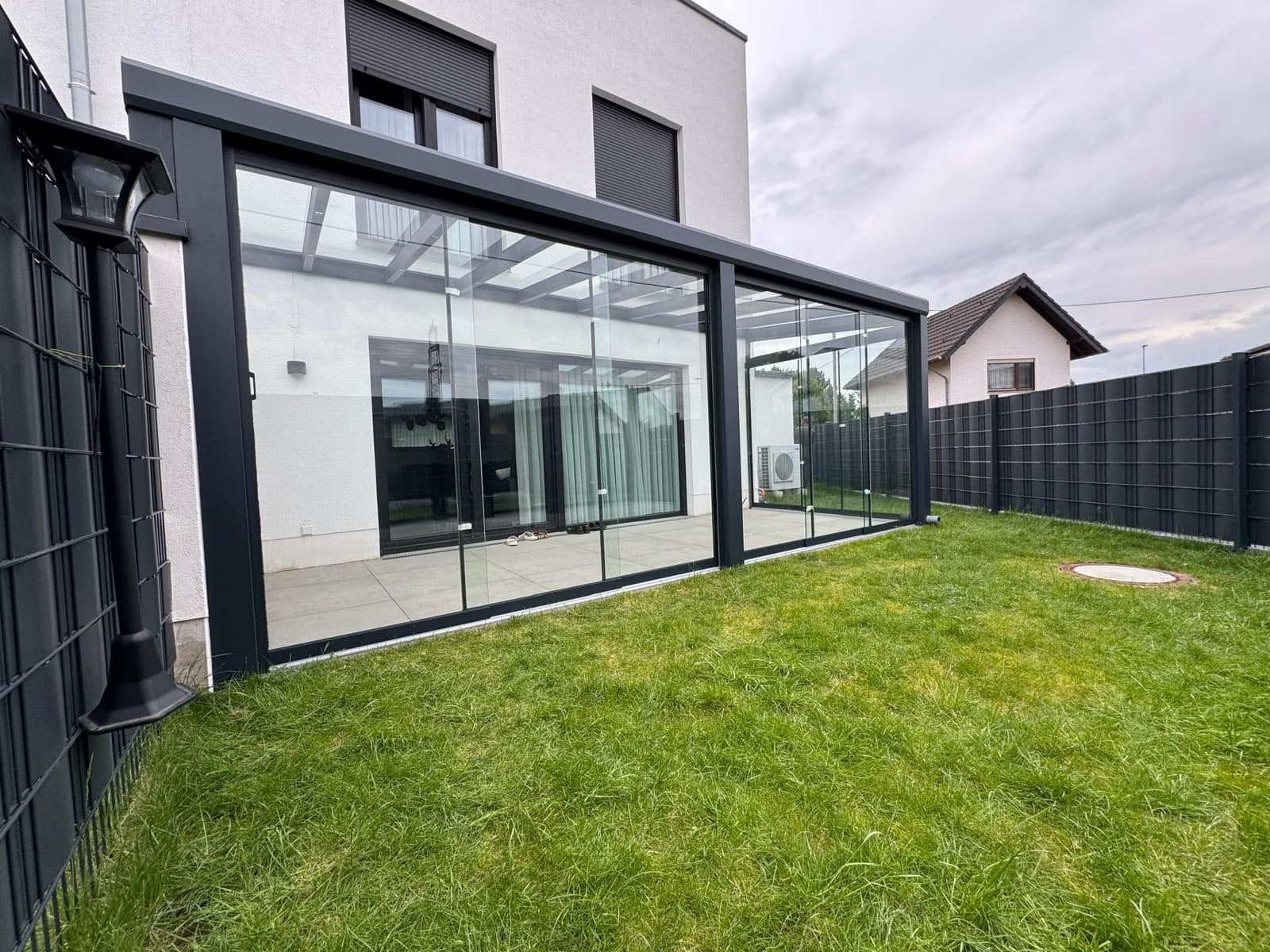
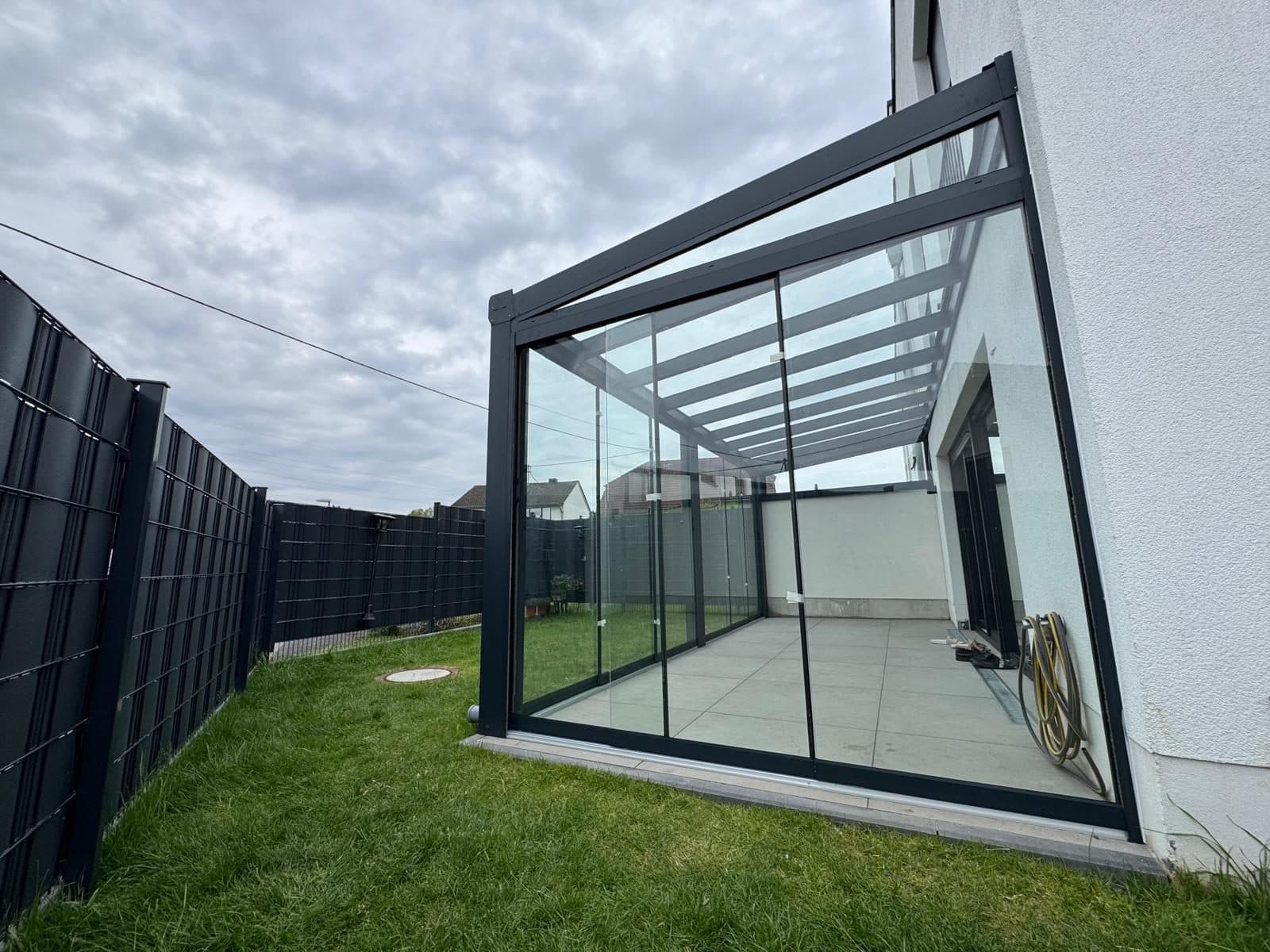
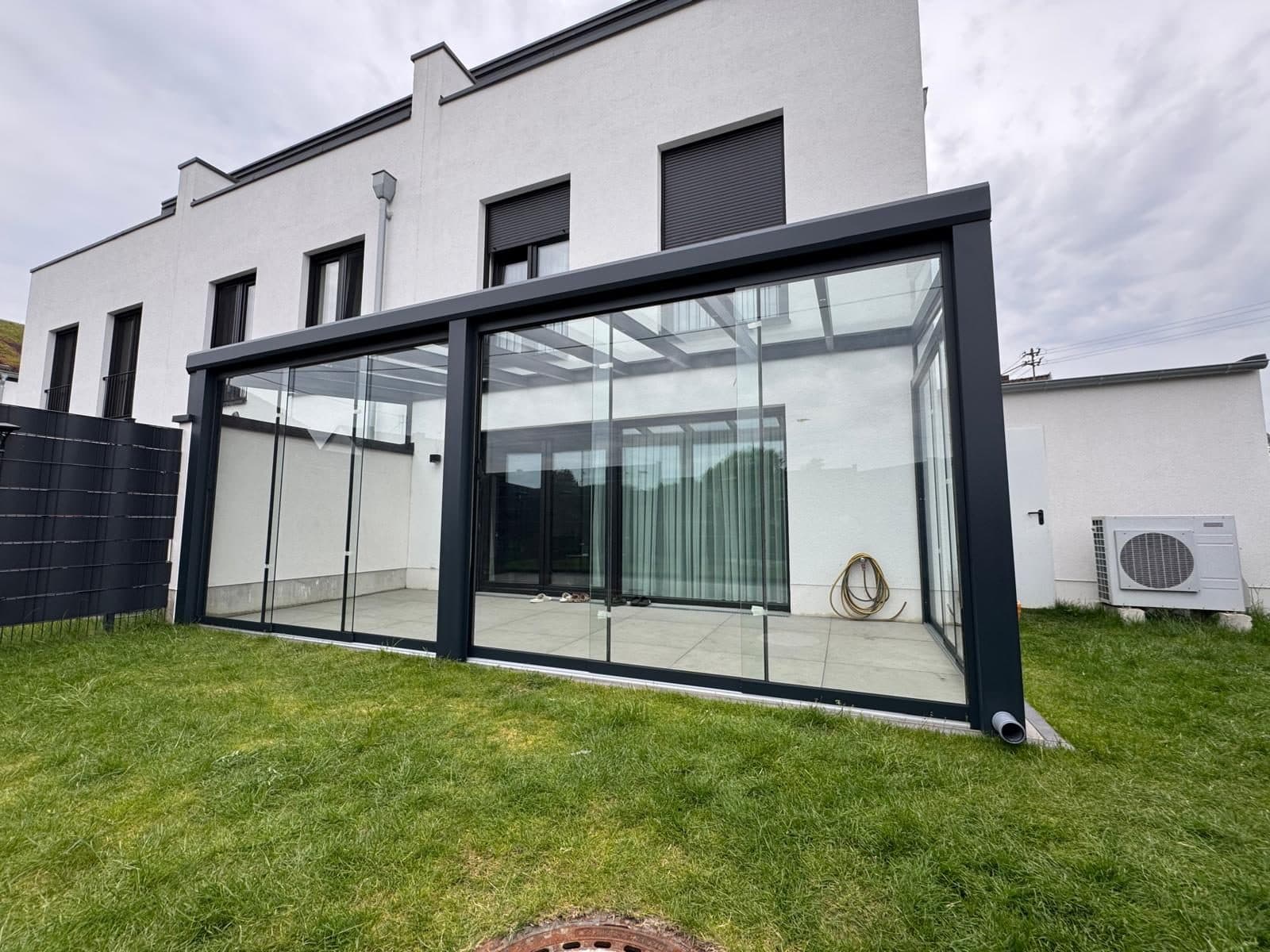
Toughened glass panels without vertical frames that run in a track and stack to the side. The cleanest view and an almost complete opening. The glass is single and there are gaps between the panels, so it is protection, not insulation. We cover it in detail in frameless glazing: pros and cons.
- Good for: seasonal use, the view, covered terraces, verandas and pergolas.
- Not good for: a heated room, burglar resistance.
2. Sliding glazing (sliding windows and doors)
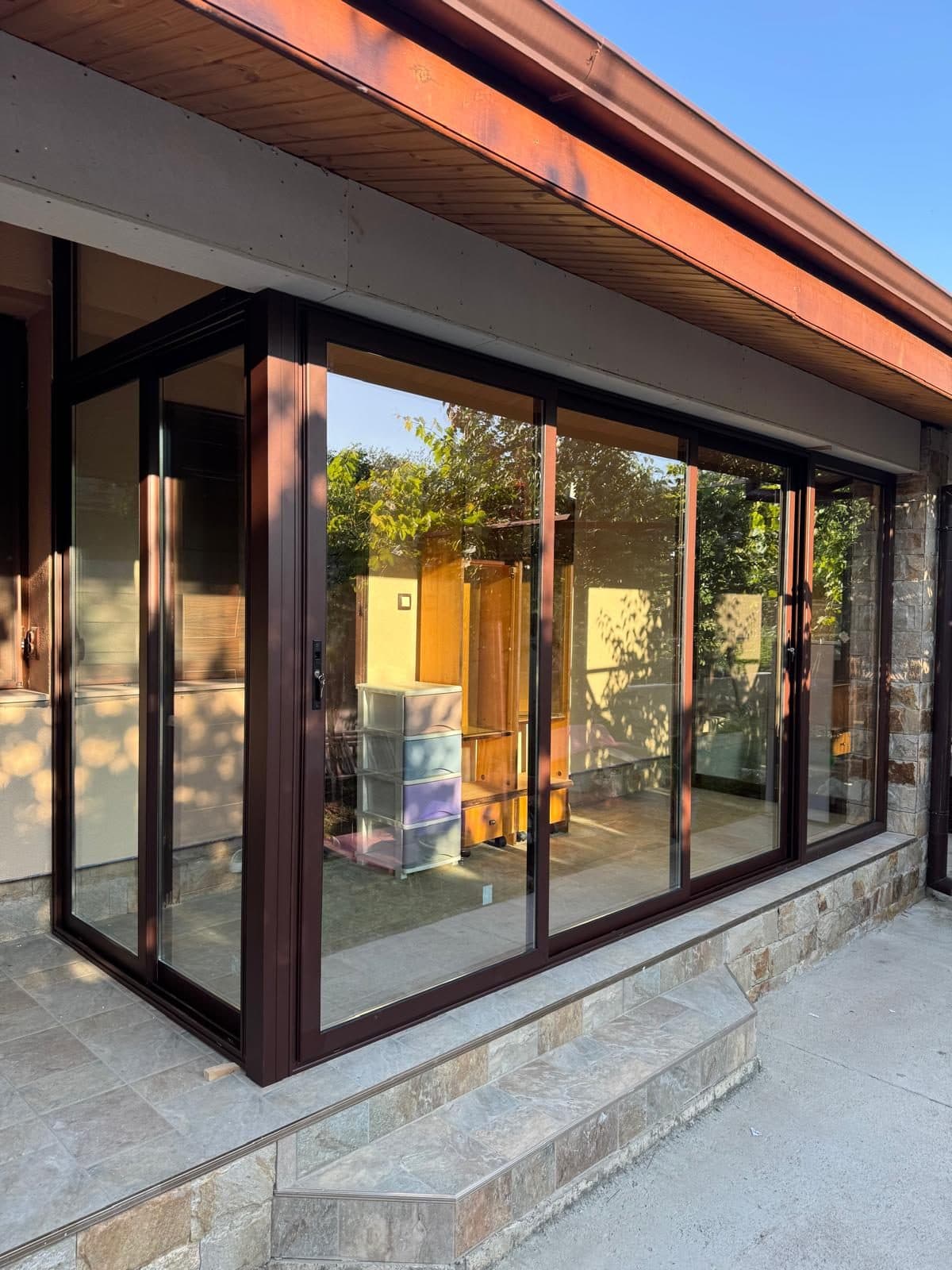
Framed panels that slide behind each other on two or more rails. They come in PVC or aluminium, with single or double glazing. Glazing a balcony with sliding windows is the most common solution in Bulgarian apartment blocks, because the panels take up no room when opened.
- Pros: good sealing, double glazing possible, panels do not swing inwards, secure locking.
- Cons: opens only partly (usually half or two thirds), frames divide the view.
- Good for: balconies and terraces used in winter too; a kitchen or dining area on the terrace.
3. Bi-fold (folding) glazing
Bi-fold glazing is made of framed panels joined by hinges. When opened they fold against each other and stack to the side like an accordion. The opening is almost completely clear, as with frameless glazing, but the panels have frames and can take double glazing.
- Pros: wide opening, better sealing than frameless, insulated glass possible.
- Cons: the folded stack takes up space and sticks out inwards or outwards; wider frames; the mechanism needs precise installation and a level base.
- Good for: terraces and winter gardens facing the garden, where you want it fully open in summer and well closed in winter.
4. Vertical sliding (guillotine) windows
The glass moves up and down instead of sideways. Manual and motorised guillotine systems exist that let the terrace be closed, half open or glazed only up to railing height. They are seen mostly in restaurants and on panoramic terraces. They suit sites with no room at the side to stack panels. Whether such a system is possible at your home is clarified on site.
5. Classic PVC or aluminium windows
Casement and tilt-and-turn windows with double glazing, just like in the house. The best sealing and insulation, the most secure locking. The downside is that the opening is smallest and the sashes swing into the space. If the terrace should become part of the home, this is usually the right route. For the materials, see PVC or aluminium windows, and for insulation in aluminium, what a thermal break is.
Terrace glazing types compared
Insulation (best to weakest):
- Classic windows with double glazing
- Sliding or bi-fold system with double glazing
- Sliding or bi-fold system with single glazing
- Frameless glazing
How far it opens (widest to narrowest):
- Frameless and bi-fold: almost the whole opening
- Vertical sliding: depends on the system, often up to railing height
- Sliding: about half or two thirds
- Classic windows: individual sashes only
View: cleanest with frameless, then vertical sliding and slim sliding systems, most divided with classic windows. Upkeep: all need clean tracks and seals; frameless and bi-fold mechanisms are more precise and dislike an uneven base.
What shapes the choice besides taste
- Floor level and wind. On high floors and exposed sites the wind load is higher. That affects glass thickness and the type of system.
- Railing and base. The tracks need a solid, level base. An old parapet sometimes has to be strengthened or replaced.
- Roof. On a top floor or a house without a canopy, a roof comes first. See which terrace roof to choose.
- Shared ownership and permits. Changing the facade of a block may need consent and approval. Read when balcony glazing needs a permit and check with the municipality.
- How you will heat it. If the terrace becomes part of the home, plan heating and ventilation too, to avoid condensation.
What the price of terrace glazing depends on
The price depends on the type of system, the size of the openings, the number of corners, the glass (single or double, toughened, frosted, solar control), the profile colour, any preparation of the railing or base, and access to the terrace. That is why "prices per square metre" from different companies are hard to compare: they often describe different things. Ask for an offer that states exactly what is included. Book a free site visit and you will get exactly that.
A quick guide
- You want the view and summer outdoors, and the terrace has a roof → frameless glazing.
- You want full opening and better closing → bi-fold.
- You want a warm balcony in a block → sliding windows with double glazing.
- You want a room added to the home → classic PVC or aluminium windows or a winter garden.
Have a look at the sliding glass systems and PVC and aluminium windows we make. We work from our showroom in Ruse and install all over Bulgaria.
If you are not sure what suits your terrace, that is completely normal. Request a free site visit: we will measure, look at the railing, roof and wind direction, and suggest one or two suitable options with a clear explanation.
Questions about types of terrace glazing
Which terrace glazing is warmest?
Classic PVC or aluminium windows with double glazing are warmest, followed by sliding and bi-fold systems with double glazing. Frameless glazing uses single glass and protects from wind and rain but does not insulate.
What is the difference between bi-fold and frameless glazing?
Bi-fold panels have frames and are joined by hinges, so they fold like an accordion and can take double glazing. Frameless panels have no frame, run in a track and turn into a stack. Both open almost completely.
What are guillotine windows?
Windows whose glass moves vertically, up and down. There are manual and motorised systems. They are used when there is no room at the side to stack panels or when a panoramic effect is wanted.
PVC or aluminium for balcony glazing?
PVC is usually more affordable and insulates well. Aluminium allows slimmer profiles and larger panels and copes better with strong sun. The choice depends on the size of the openings, the colour and the budget.
Can a terrace be glazed without a roof?
On a top floor or an open terrace on a house, it is better to have a roof first. Without one, water runs straight down the glass and tracks, and the system has nothing to fix to at the top. The roof is planned together with the glazing.