Aluminium winter gardens and summer gardens
A winter garden turns your terrace or garden into a bright room you can use all year round. A summer garden shelters you from rain and wind and opens up completely when it's warm.
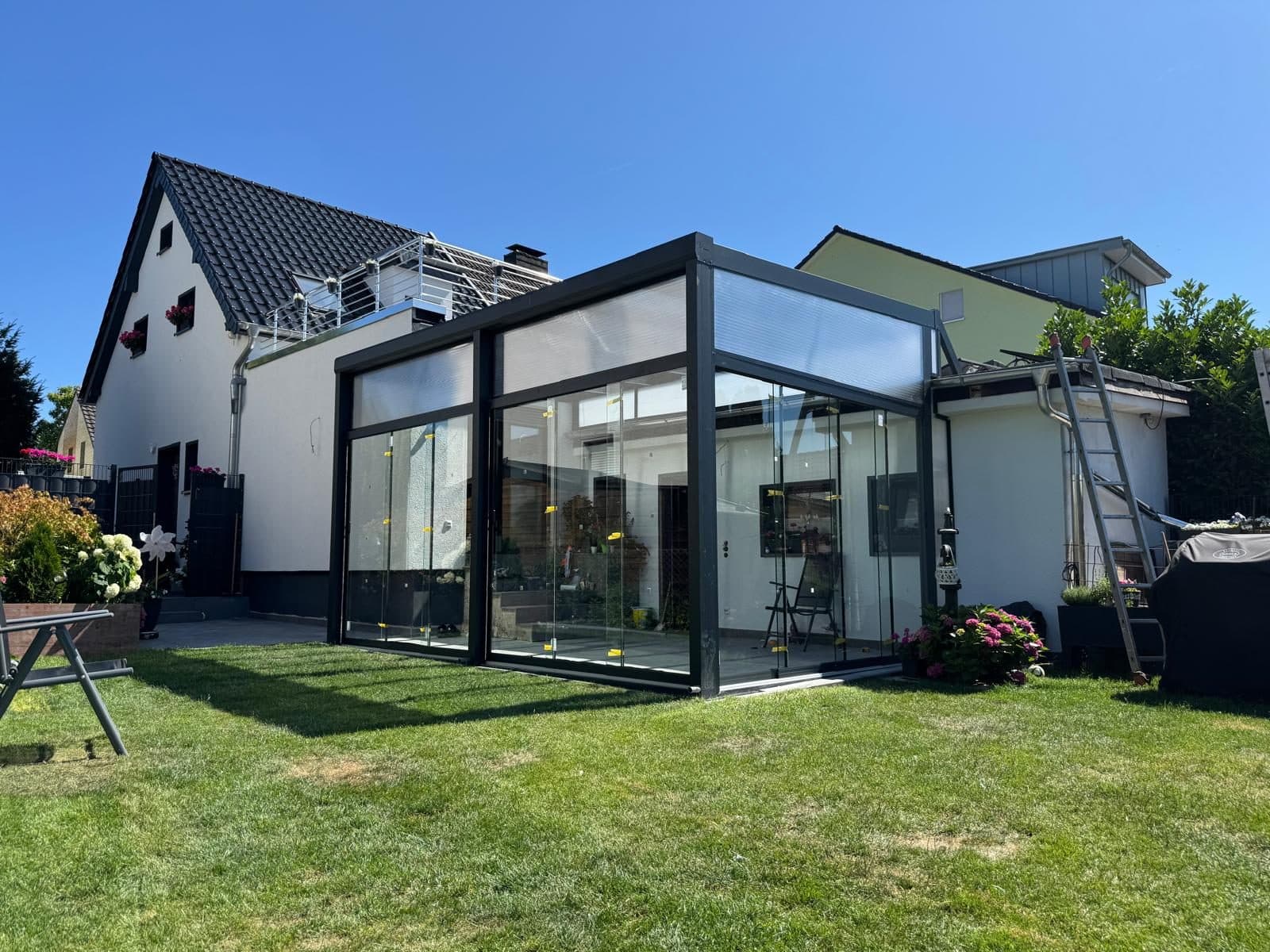
A space you can use 12 months a year
We make winter and summer gardens from aluminium profiles and glass to the exact measurements of your home. The design takes into account the façade, the roof and how you plan to use the room: as a dining area, a place to relax, a home for your plants or an extension of the living room.
The roof can be glass, polycarbonate or panels, and the walls sliding or fixed glazing. At the site visit we'll discuss what suits your property and budget best.
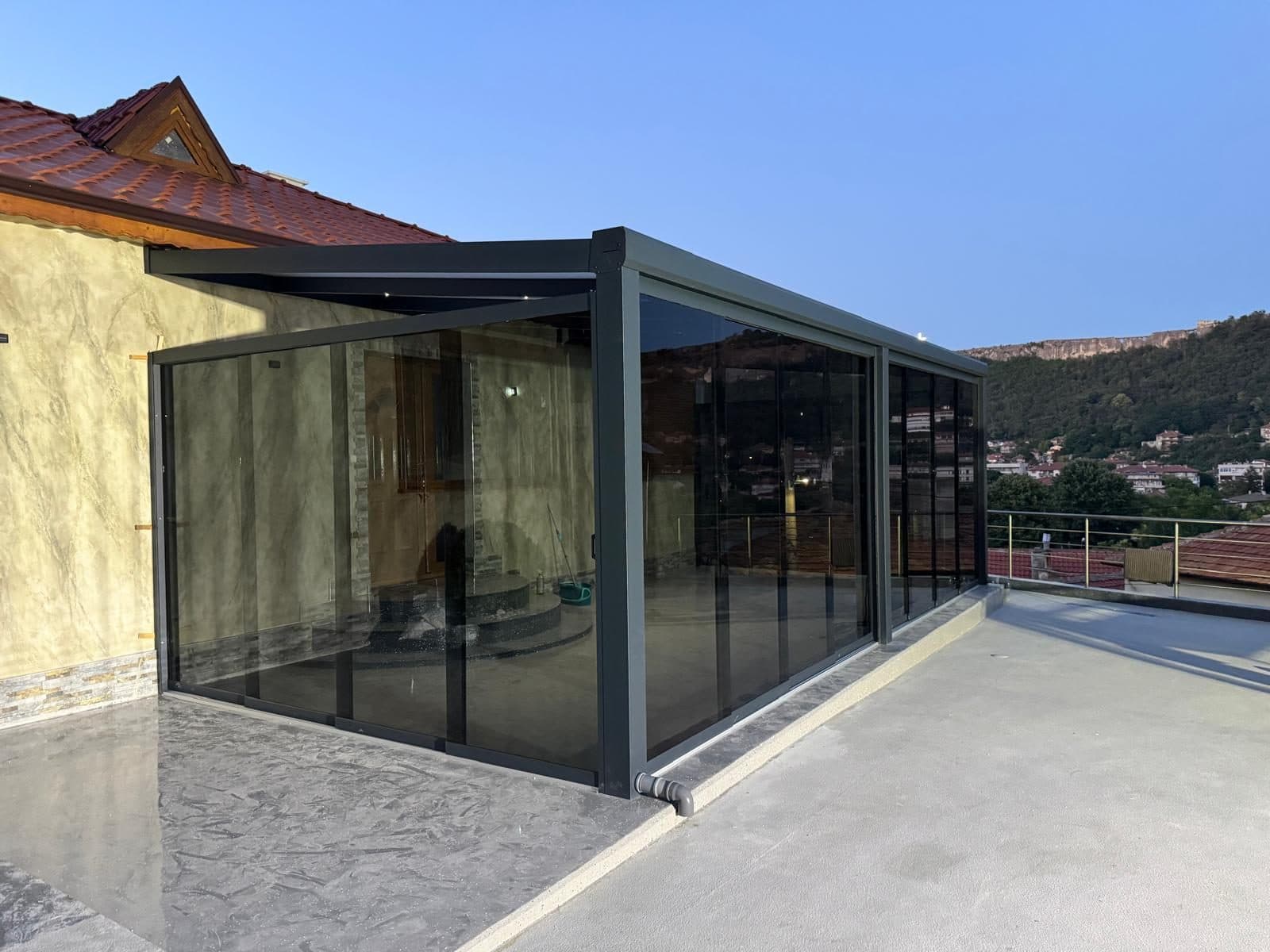
At a glance
- Made to exact measurements
- Glass, polycarbonate or panel roof
- Sliding or fixed glazing
- Profiles in the colour of your choice
Winter garden or summer garden?
Winter garden
An enclosed, glazed room with sealed joints. You can use it in the colder months too, as a genuine extra room.
Summer garden
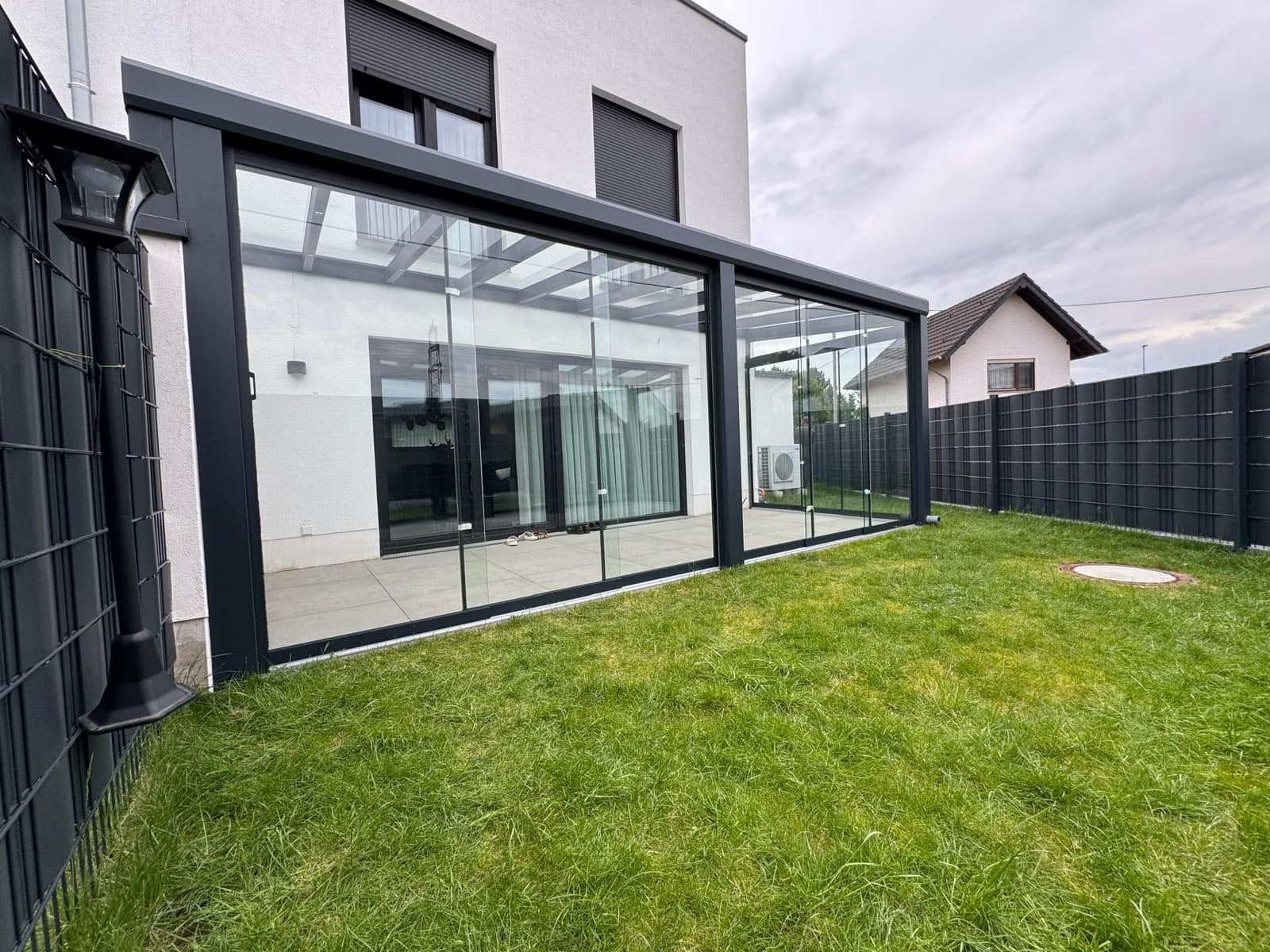
A lighter structure with sliding glass panels that open up completely. It keeps out rain, wind and dust, and in summer it feels like being outdoors.
Winter garden for restaurants and cafés
Glazed areas for restaurants and cafés that add extra seating and keep working beyond the summer season.
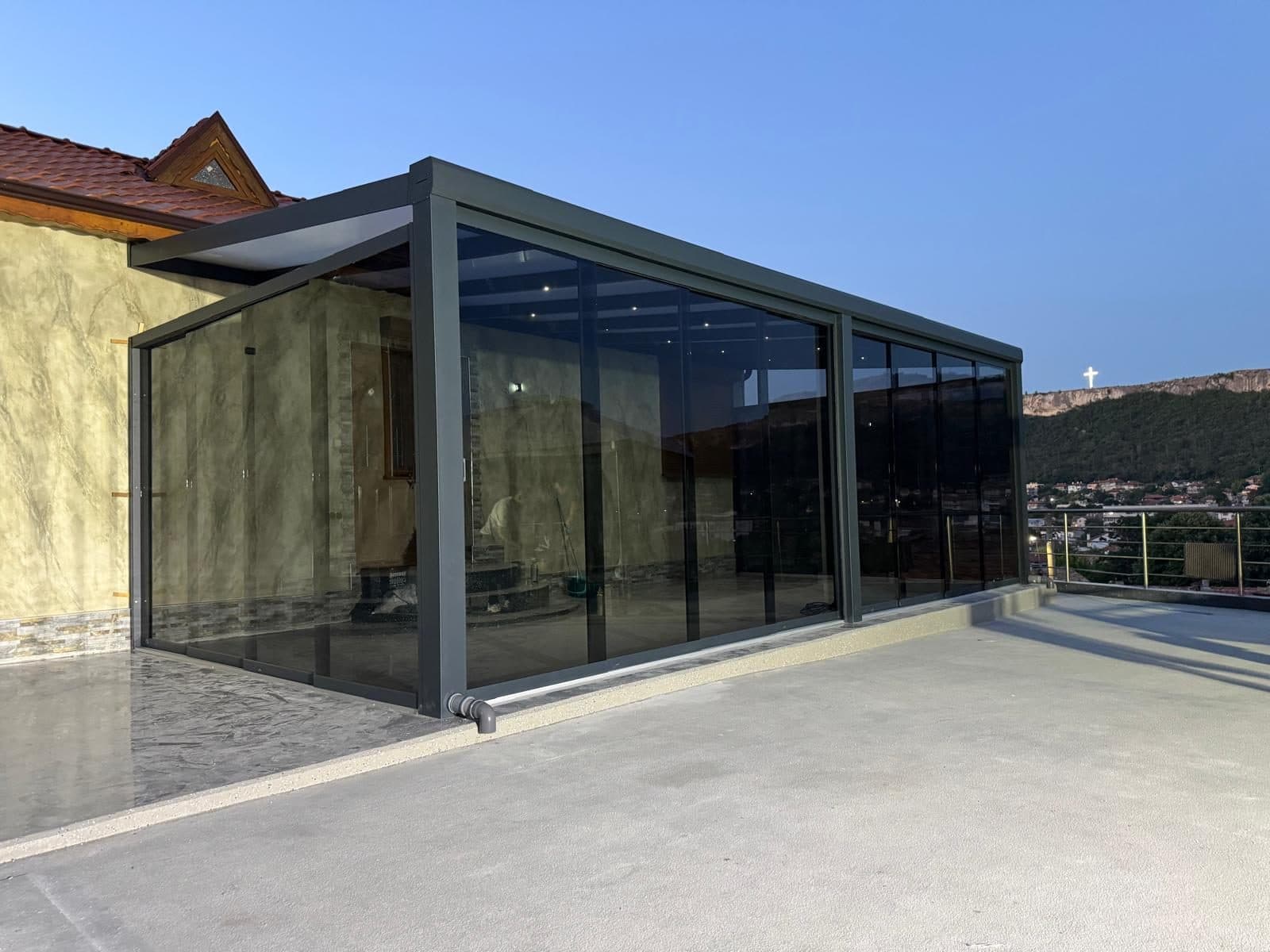
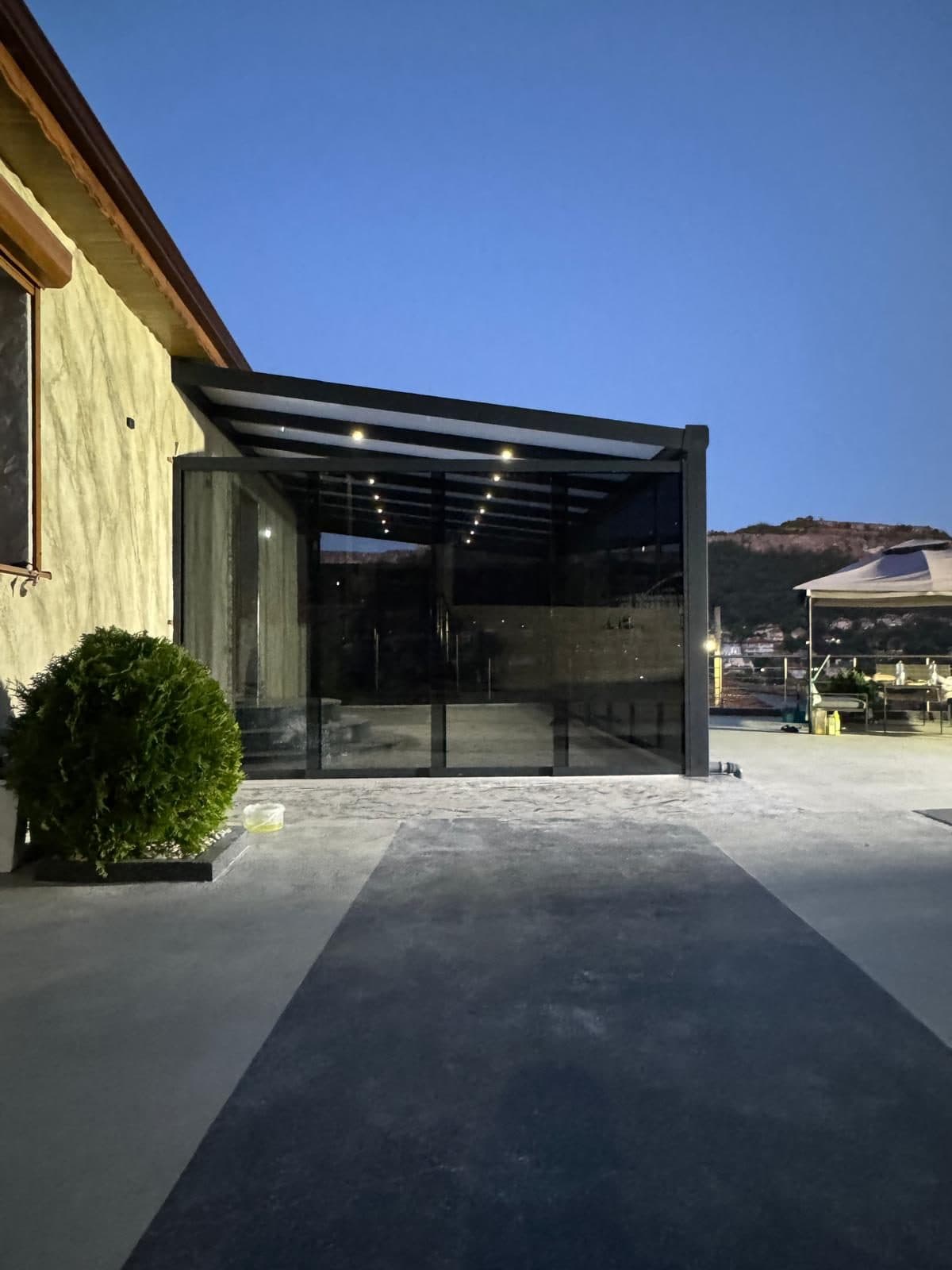
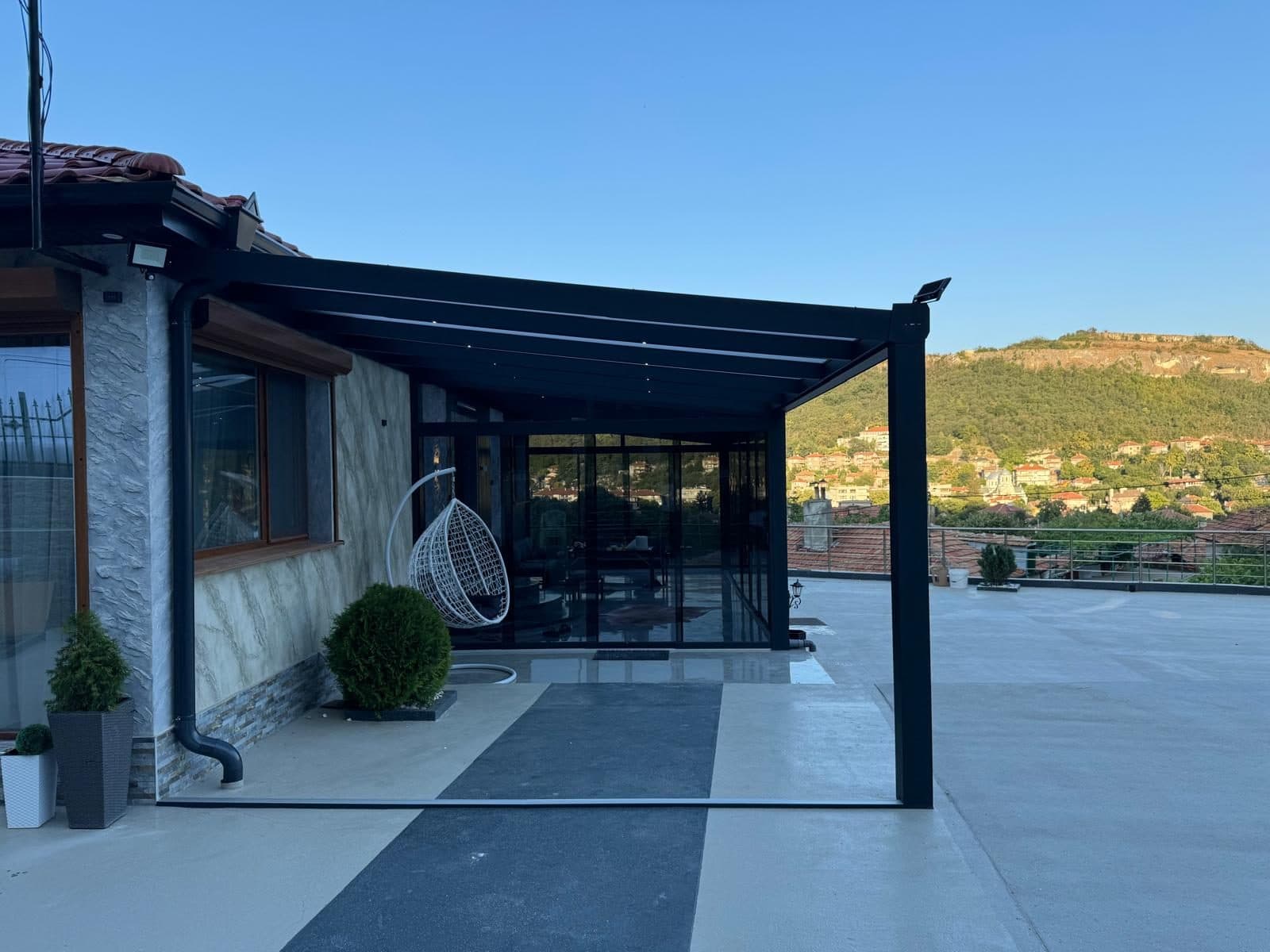
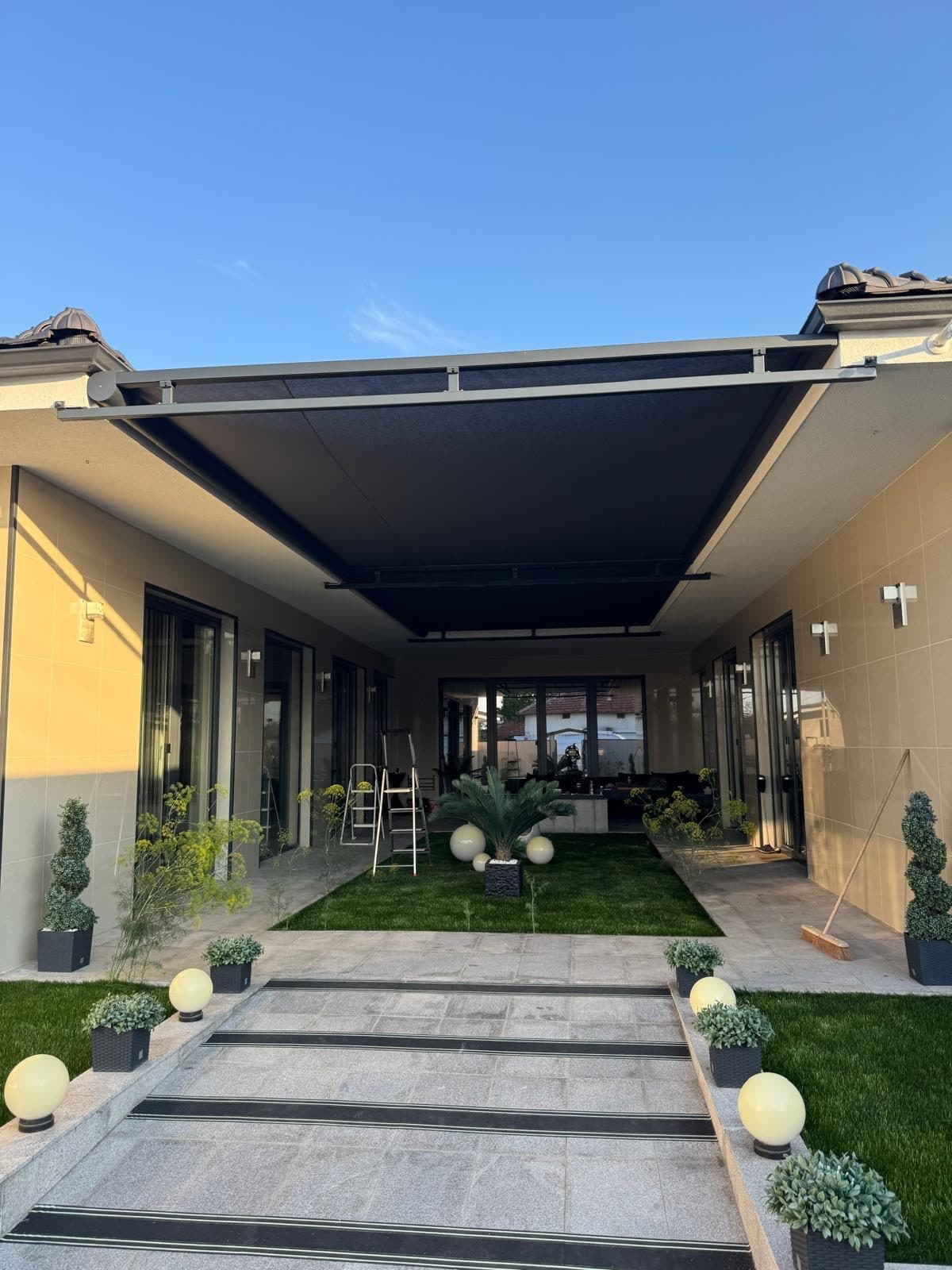
Winter and summer gardens: real projects
Photos of projects made and installed by our team.
Showing 6 of 16 photos
Winter garden: how to choose the right one
A winter garden is a big purchase and worth thinking through calmly. Here is what we explain at every site visit: the types of winter garden, which roof and glazing to choose, what drives the price, when you may need a permit and how an order with us works. For a shorter overview, see what to know about a winter garden.
Types of winter garden: warm, cold or summer garden
The first question isn't colour or shape but how you will use the room in winter. The answer decides the profiles, glazing and roof, and with them the price.
People often ask for a ‘warm’ winter garden but will mostly sit in it from March to November, or the other way round. So at the visit we first ask when and what for: a dining area, a place to relax, plants or an extension of the living room. If you are torn between a glazed room and a more open option, read pergola or winter garden.
The most common spot is a ground-floor terrace or the garden next to the house, because there is already a base. A winter garden on the terrace can also go on an upper floor or a roof terrace if the slab carries the structure and the facade allows fixing. Orientation matters too (south brings lots of sun and heat, north gives even light but is cooler), as do the way in and where the rainwater from the roof will drain.
- Warm winter garden – a closed, sealed room that is heated and used all year. Insulation of the profiles, double glazing and roof matters most here.
- Cold winter garden – glazed but unheated or only heated now and then. It keeps out wind, rain and snow, extends the terrace season and is handy for overwintering plants.
- Summer garden (glazed veranda) – a lighter structure with sliding glass panels that open almost completely. In summer it feels like being outside; in spring and autumn it stops the wind.
Roof, glass and profiles: what to look for
The roof is the hardest-working part of a winter garden. Heat comes in through it in summer, warmth escapes through it in winter, and snow sits on it. The main options are glass, polycarbonate and sandwich panels. Glass gives the most light, panels give shade and better insulation, and polycarbonate is the lighter, more affordable choice. You can also combine them, for example panels over the dining table and glass over the plants.
The walls use sliding or fixed glass, often both. For a warm winter garden, the type of double glazing matters, and whether the profiles have a thermal break, because that decides how much heat is lost through the frames. Which systems and glass suit your home we work out at the site visit. How to keep the room warm is covered in how to heat a winter garden.
Don't forget ventilation and shade. The glass that brings in light in January can turn the room into a greenhouse in July. So we plan opening sections from the start, and for shade you can add ZIP screens or awnings. If you want the walls to open almost completely, take a look at our sliding glass systems.
What the price of a winter garden depends on
The factors are also covered in detail in how much does a winter garden cost. You get an exact price after the free site visit.
A price ‘per square metre’ without a visit can't be accurate, because two winter gardens of the same size can differ a lot. These are the factors that drive the cost:
- Size and height – besides the floor area, how tall the walls are and how wide the span is without an intermediate post.
- The roof – glass, polycarbonate or panels, and whether it is a single slope or a more complex shape.
- Warm or cold – the type of profiles and glazing is one of the biggest differences in price.
- Opening parts – how many sliding panels, doors and windows, and where.
- The shape – a rectangular winter garden against one wall is the simplest; corner and angled shapes take more work to make and install.
- The base – whether there is a level slab already or it needs preparing.
- Extras – shading, screens, gutters and drainage away from the house.
- Site access – an upper floor, a narrow yard or a spot where materials have to be carried by hand.
Do you need a permit for a winter garden?
A winter garden attached to the house changes how the building looks and is often treated as an extension. Whether you need approval or a building permit depends on the size, the location, the distance to the property line and the rules of your municipality. In a block of flats, the other owners' consent may also be needed because the facade changes.
Our advice: before you order, ask the municipality what exactly applies in your case. At the visit we'll tell you what we have seen in practice, but the final answer comes from the municipality.
Maintenance: what a winter garden needs
Aluminium doesn't rust and doesn't need painting, so care is simple. A few habits are enough to keep the winter garden looking and working well for years:
- Wash the glass and profiles with water and a mild cleaner, without scouring pads or solvents.
- Clean the gutters and drainage at least once a year, especially after the leaves fall.
- Keep the tracks of the sliding panels free of sand and leaves so they glide easily.
- Ventilate regularly, especially in winter and when there are many plants, to avoid condensation.
- If a lot of snow builds up on the roof, remove it carefully without scratching the glass.
How an order with us works
Every winter garden we make is made to measure, so we start from the site, not from a catalogue. Before the visit you can try different shapes and sizes in the 3D configurator to get a clearer picture of what you want.
- Free site visit – we come to you, look at the base and facade and talk through how you will use the room.
- Measuring – we measure on site, not from a photo, because the profiles and glass are made to exact size.
- Quote – you receive a quote with the chosen roof, glazing and opening parts, plus the time frame for production and installation.
- Production – the structure is made to the measurements taken at the visit.
- Installation – we install the winter garden on site and show you how to use and look after it.
Winter gardens in Ruse and North-East Bulgaria
Our showroom is in Ruse, at bul. Lipnik 135. You can see the profiles and materials in person there and talk about your project before you decide. Before starting out in Bulgaria, we spent more than 15 years working in Germany and the Netherlands.
We come for site visits all over Bulgaria. From Ruse we easily reach Varna, Veliko Tarnovo, Shumen, Razgrad, Silistra and Dobrich, as well as places further away. If you are thinking about a winter garden, ask for a free site visit and quote and we'll tell you what is possible at your home.
Four steps to a finished project
Free site visit
We come to you, take measurements and talk through your idea, the profiles and the glass.
Clear quote
You receive a quote setting out the system, the materials and the price. No hidden costs.
Manufacture
We build the structure to the exact measurements of your property.
Installation
Our team installs it, cleans up afterwards and checks everything together with you.
Guides on Winter and summer gardens
Questions about winter and summer gardens
Call or message us. We also answer specific questions about your project before we come for the visit.
Can a winter garden really be used in winter?
Yes, that's what it's built for. How warm it stays inside depends on the glass, the roof and the heating. At the site visit we'll recommend the right combination.
Can it be installed on an existing terrace?
In most cases, yes. We'll inspect the base and the façade and let you know whether any preparation is needed.
Which roof should I choose?
Glass lets in the most light and gives the cleanest look. Polycarbonate is lighter and more affordable. Panels provide shade and better insulation. We'll show you the differences on site.
How do you avoid condensation on the glass?
With ventilation. We include openable elements: sliding glass, a window or a door, so fresh air can come in. Which ones and where, we decide at the site visit depending on the room.
Can a winter garden be built on a balcony or an upper floor?
Often yes, as long as the balcony can carry the structure and the façade allows fixing. We'll check on site and tell you what is possible.
How long does installation take?
It depends on the size of the garden, the roof and the glazing. The timescale for manufacture and installation is written in the quote so you know in advance.
What kind of base is needed?
A level, solid one: a slab, a terrace or a concrete base for the structure to stand on. At the site visit we'll see what you have and tell you whether any preparation is needed.
What is the difference between a winter garden and a glazed veranda?
A winter garden is a closed, sealed room that can be heated and used all year. A glazed veranda, or summer garden, is lighter, with sliding glass panels that open almost completely. It mainly protects from rain and wind. The choice depends on whether you want to sit in it during the cold months too.
Do I need a permit for a winter garden?
It depends on the size, the location and the municipality's rules. In a block of flats, the other owners' consent may also be needed. Before you order, ask the municipality what applies in your case. At the visit we'll tell you what we have seen in practice.
Does a winter garden get too hot in summer?
With a glass roof facing south it can, if there is no ventilation or shade. That's why we plan opening glass panels, windows or a door, and shading such as screens or awnings can be added. A panel roof also reduces overheating.
Can a winter garden open up completely in summer?
Much of the walls can open with sliding glass. In winter the room stays closed, and in summer you open it almost completely. How many panels and where is decided at the site visit.
Is a winter garden good for plants?
Yes, many people use it exactly for that. Plants love light but also fresh air, so plan opening parts and shade for the summer months. If plants will overwinter there, think about how you will keep a minimum temperature.
Can I see the materials before ordering?
Yes. In our showroom in Ruse, at bul. Lipnik 135, you can see profiles and materials in person. You can also try different options in the 3D configurator on the website before asking for a visit.
Other services
Thinking about winter and summer gardens?
We'll come for a free site visit, take exact measurements and send you a clear quote, with no obligation.