How do you heat a winter garden, and can you use it all year round?
A winter garden can be pleasant in January and in July if it is planned properly. Here is how to heat it, how to avoid condensation and how to keep it from overheating in summer.
Published: November 4, 20267 min read
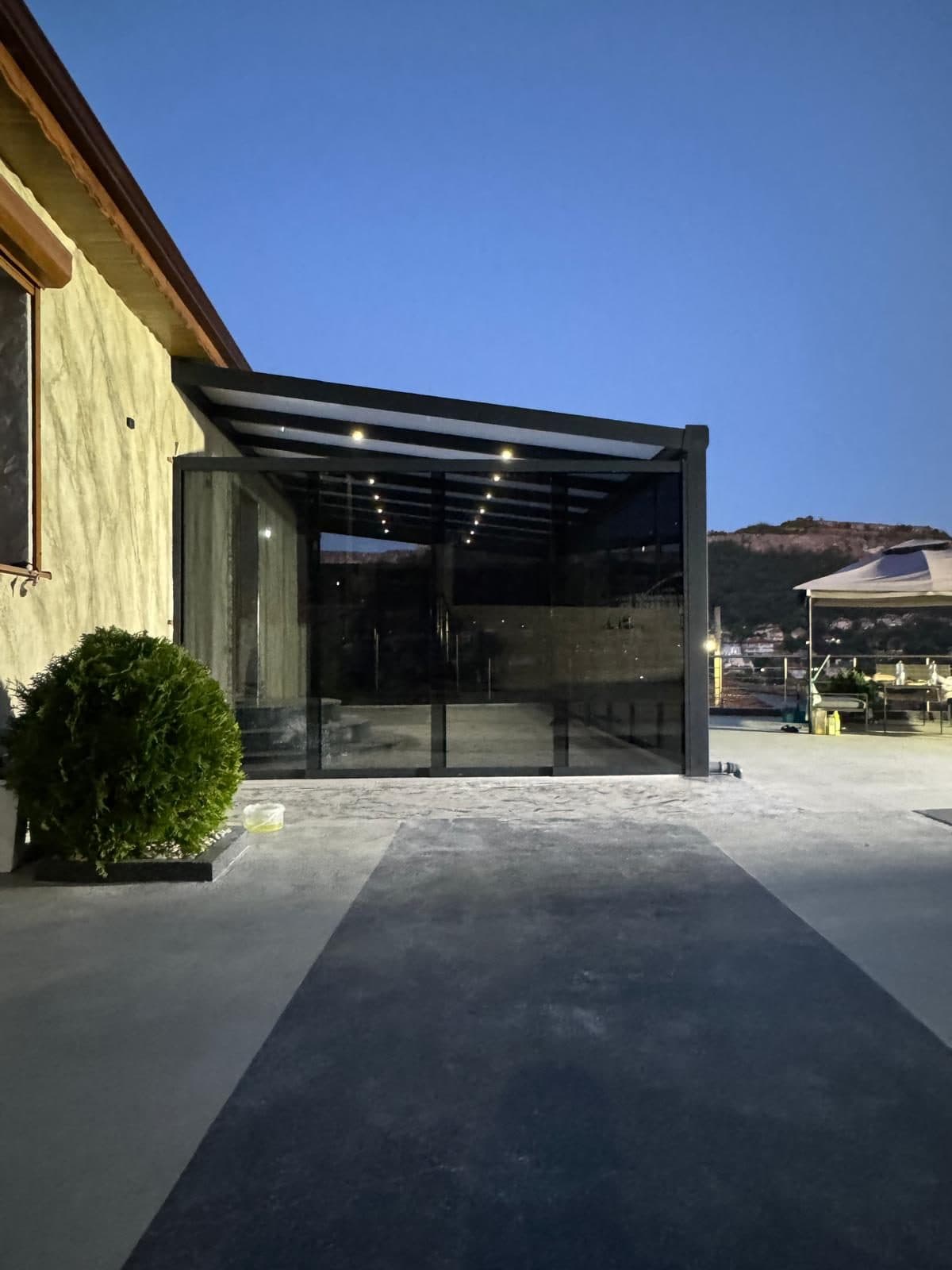
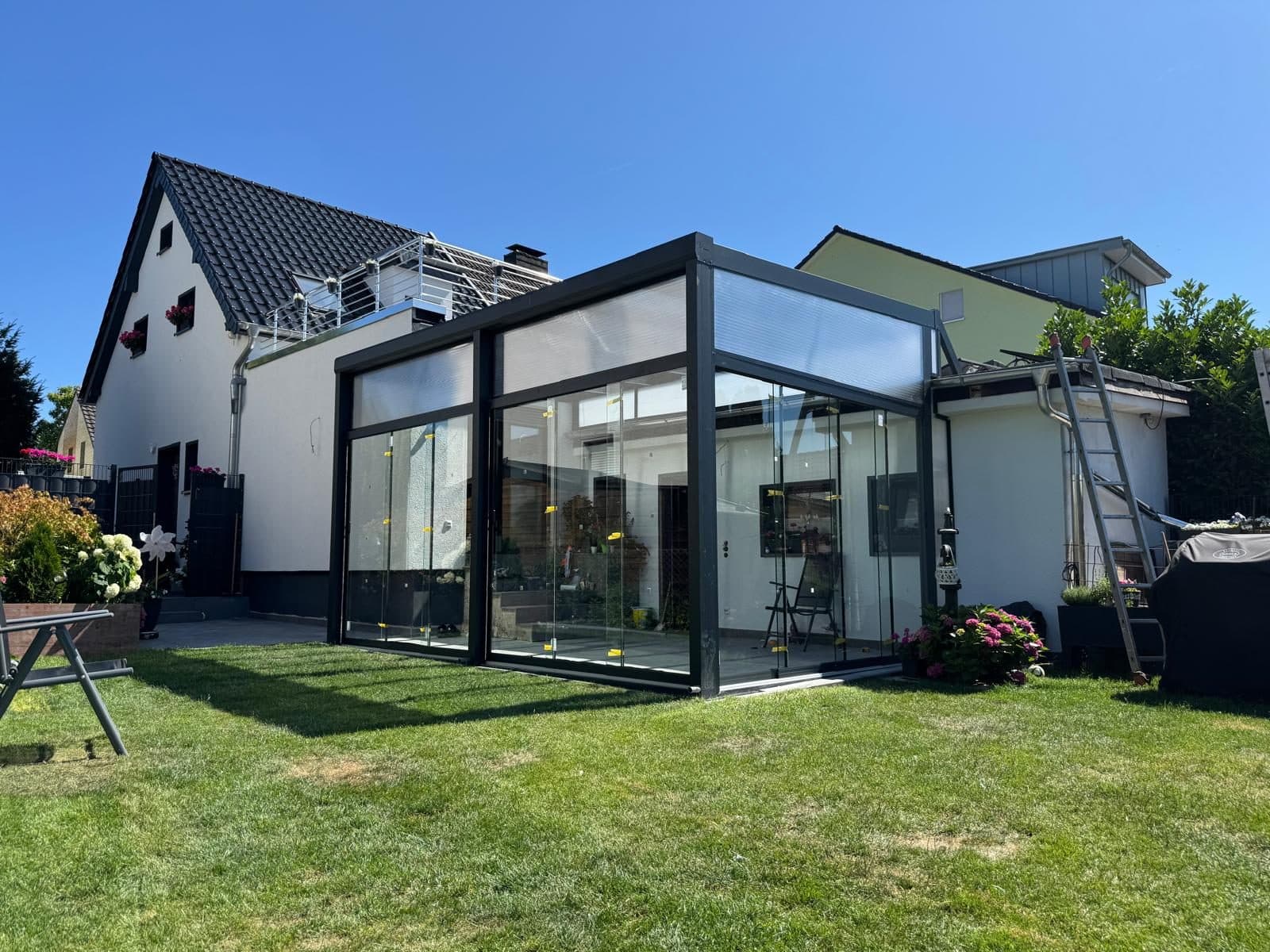
The most common worry before ordering a winter garden is whether it can be used in winter, or will sit empty from November to March. The answer depends on one decision made right at the start: do you need a warm or a cold winter garden? Heating is only part of the picture. Insulation, ventilation and summer shading matter just as much. This article covers the options for heating a winter garden, how to avoid fogged-up glass and what to do so it doesn’t turn into a sauna in July.
Warm or cold winter garden?
These are two different products, not the same one with a different thermostat setting.
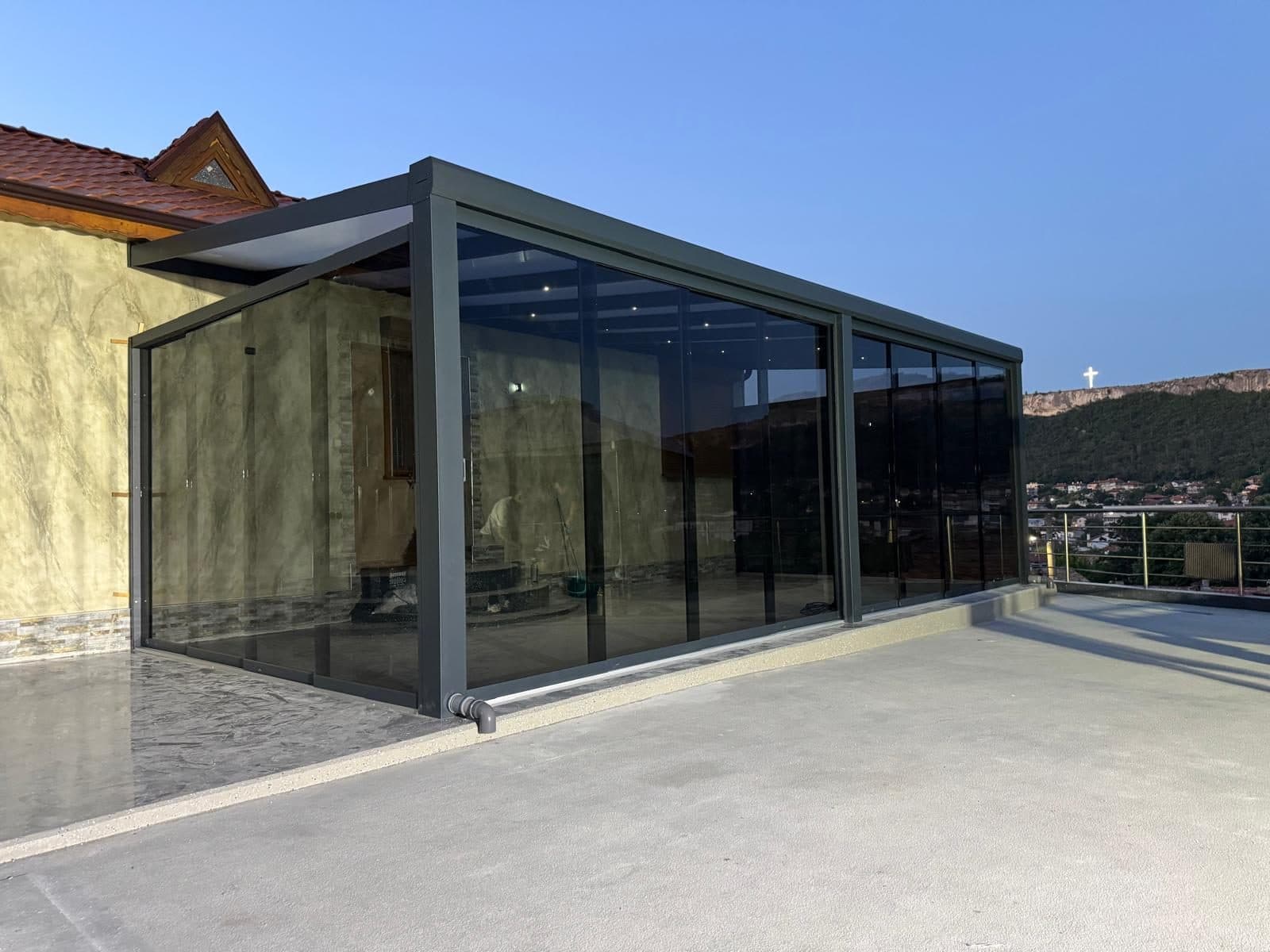
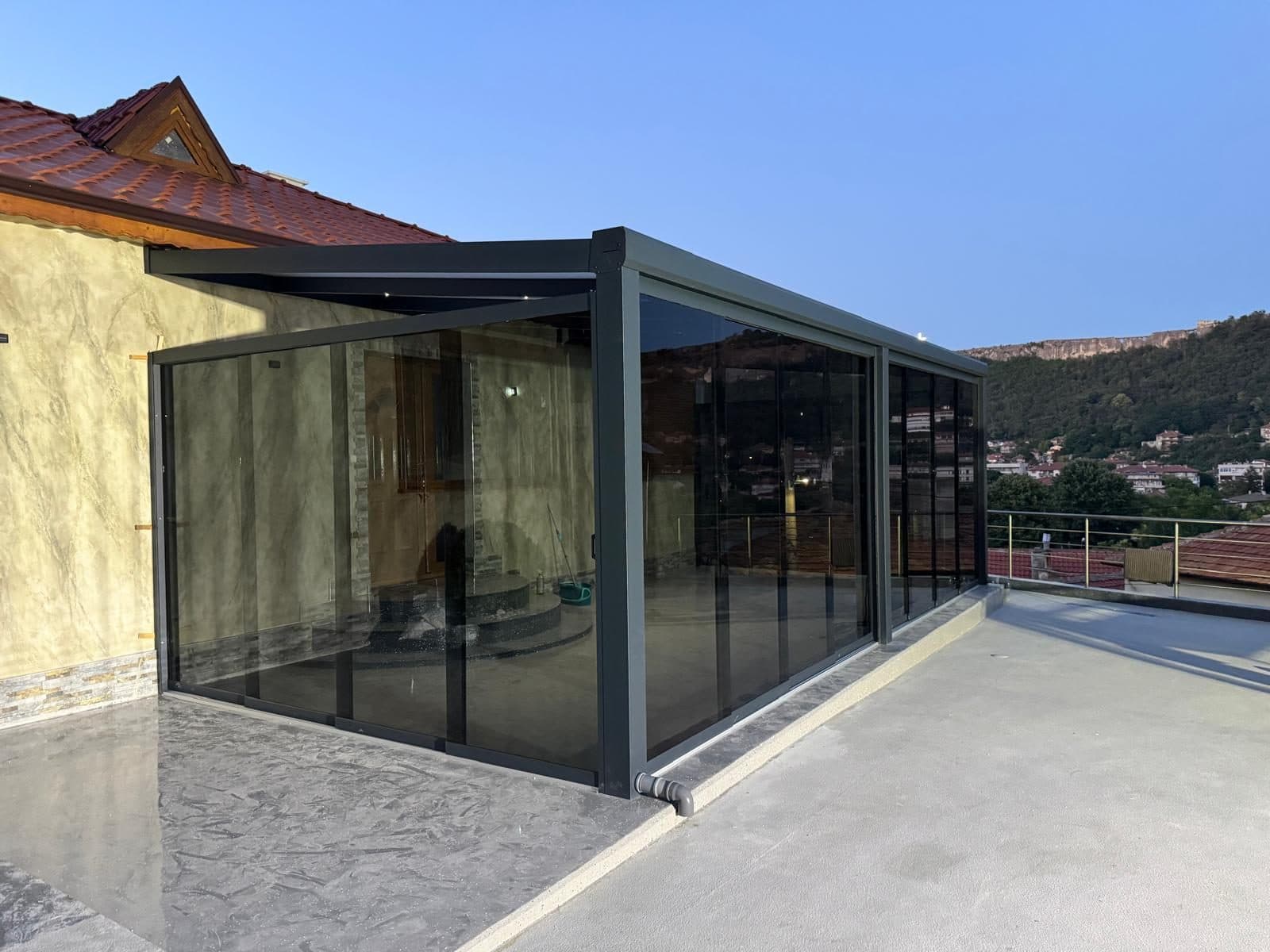
- Cold winter garden: usually sliding glass with single toughened panes, a lighter roof and no full sealing. It keeps out wind, rain and snow, and the sun warms it on clear days. Comfortable from spring to autumn, and a buffer between garden and house in winter. It can be warmed up temporarily, but isn’t designed for constant heating.
- Warm winter garden: thermally broken frames, double glazing in the walls, an insulated roof or insulated roof glass, an insulated floor and good seals to the house wall. In effect it’s a room of the house, and it’s heated like one.
If you build a cold winter garden and decide a year later to heat it, you’ll be heating the street. So be honest about how you’ll use it. If you’re unsure, also read what drives the cost of a winter garden: the difference between the two types is the biggest factor.
Keep the heat in first, then produce it
However powerful the heating, if the heat escapes you’ll pay a lot for little comfort. In a winter garden, heat escapes mainly in four places:
- The roof – warm air collects at the top. Insulated panels hold heat best. With a glass roof, insulated glazing with a suitable coating is used.
- The glass walls – single glass feels cold in winter. Double glazing is a must for year-round use.
- The floor – an uninsulated concrete slab draws heat away all the time, and your feet stay cold.
- The joints – where the structure meets the house wall and the floor. Details and installation decide here.
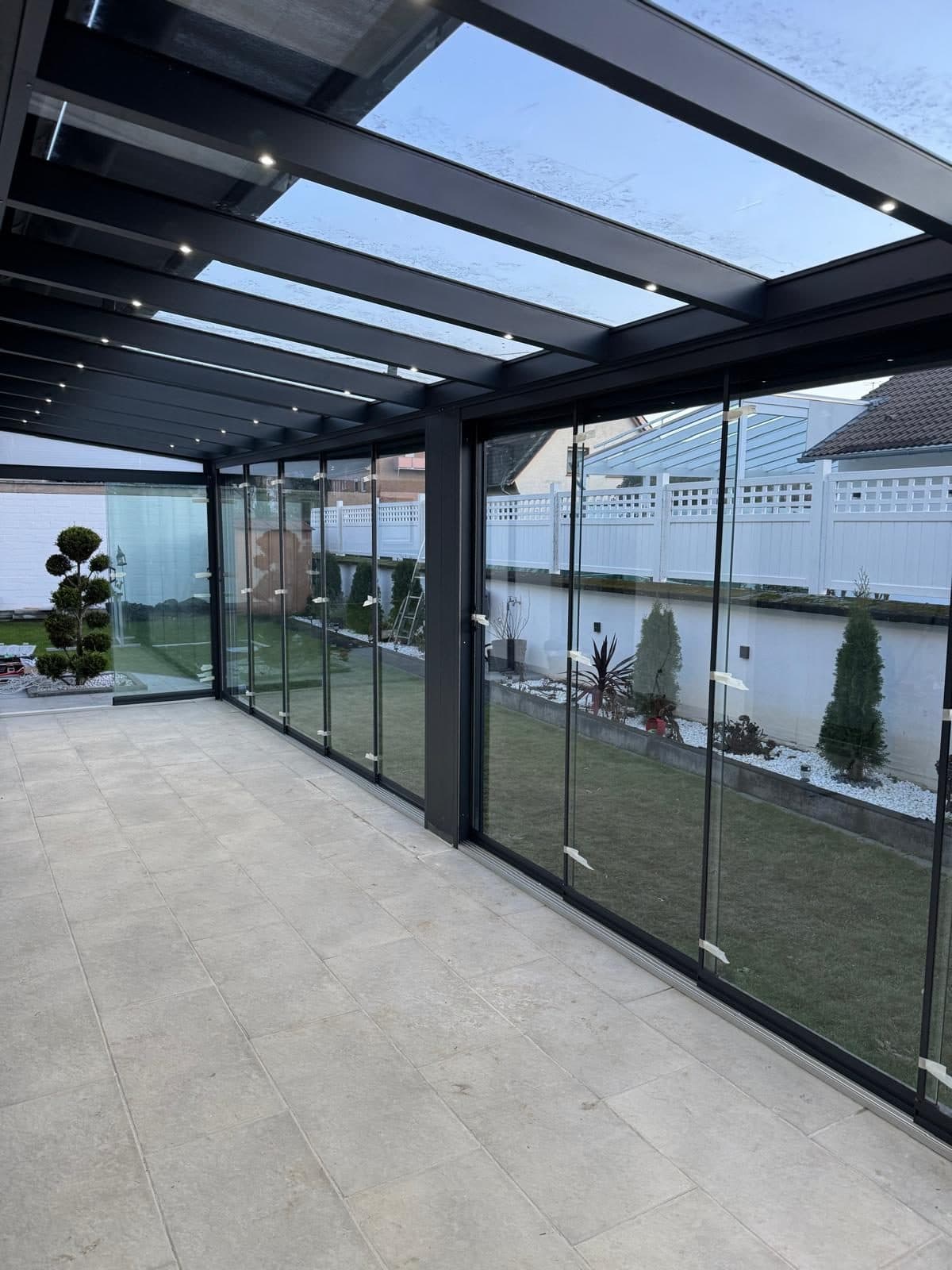
Options for heating a winter garden
There is no single best way. The choice depends on the size, how often you’ll use it and what heating the house already has. At the free site visit we’ll discuss where to plan space and power for the option you choose.
- Air conditioner (air-to-air heat pump) – the most common choice. It heats quickly in winter and cools in summer, a big advantage in a glass room. The indoor unit needs a solid wall or a spot on the house side.
- Underfloor heating – electric or water-based. The most even and pleasant warmth, and a warm floor offsets the chill from the glass. It must be decided before the floor is laid.
- Radiators or convectors on the house heating system – handy if the house has central heating. Ask an installer whether the boiler or heat pump has spare capacity for another room. Low convectors under the glass reduce condensation.
- Infrared panels and radiant heaters – quick to warm up, they heat people rather than all the air. Good for a cold winter garden or occasional use.
- Fireplace or stove – very cosy, but needs a flue, safe distances from frames and glass and a fresh air supply. Discuss it with a specialist and check the rules before planning it in.
Why the glass fogs up and how to prevent it
Condensation forms when warm, moist air touches a cold surface, in a winter garden the glass and frames. Moisture comes from people, plants, cooking, drying laundry and the house itself. What helps:
- Choose thermally broken frames and double glazing if you’ll heat it. Their inner surfaces stay warmer.
- Ventilate briefly and often, rather than leaving one window ajar all day.
- Place the heating so warm air flows along the glass, not trapped behind furniture.
- Don’t dry laundry inside in winter, and don’t overdo thirsty plants.
- If damp persists, use a dehumidifier or consider mechanical ventilation.
A little condensation in a cold winter garden on a frosty morning is normal and clears with the first sun. Constant drips and mould on the seals mean moisture isn’t being removed.
Ventilation: the most underrated part
Good ventilation solves both winter condensation and summer heat. Warm air rises, so openings at the top (roof vents or opening upper panels) combined with openings at the bottom work best. Sliding glass lets you open one or several sections depending on the weather. Think at the site visit about where air will come in and where it will leave.
Summer: keeping the winter garden from overheating
In our climate, summer is a bigger challenge than winter. A south-facing glass room can get very hot as early as May. So take shading as seriously as heating:
- External shading – awnings above the roof and ZIP screens on the walls stop the sun before it passes through the glass. Most effective.
- Interior blinds – good for light and atmosphere, but the heat is already inside.
- Solar control glass or solid panels in part of the roof reduce overheating.
- Opening up – when the sliding glass opens wide, the winter garden becomes a covered terrace.
- Air conditioning – the last step if the rest isn’t enough.
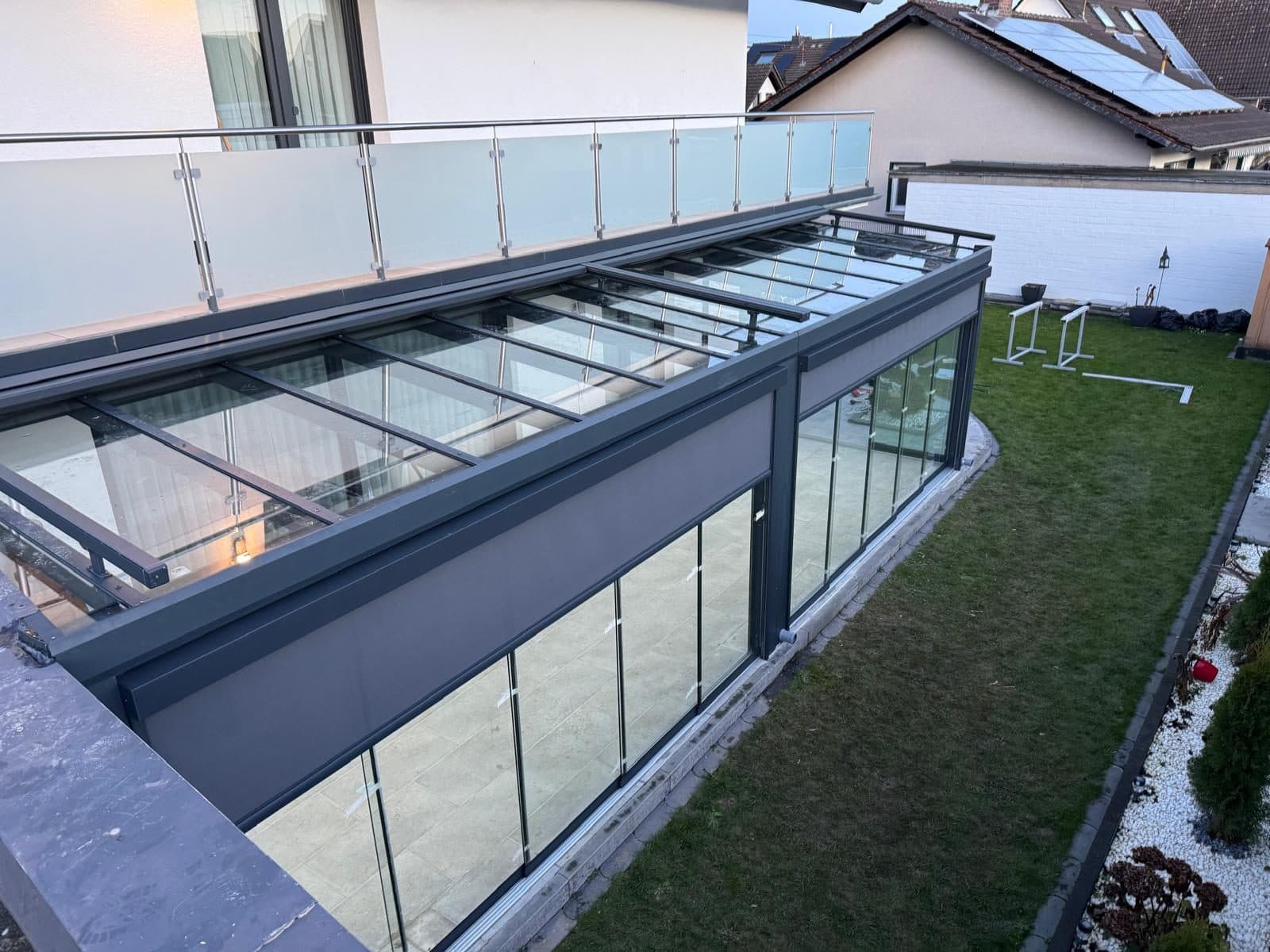
Can you use a winter garden all year round?
Yes, if it’s planned as a warm one: insulated frames, double glazing, insulated floor and roof, heating, ventilation and shading. Then it’s a bright living or dining room all year. A cold winter garden also gets long use, especially on sunny days, and in winter it’s a cool, frost-free place, good for overwintering plants such as olives and citrus. If the winter garden becomes a heated living space, check with the municipality or an architect whether that changes the permit requirements.
We’re from Ruse and build winter gardens all over Bulgaria. Before that we worked for more than 15 years in Germany and the Netherlands, where winter gardens are used year-round in a colder climate than ours. For a lighter seasonal option, see our sliding glass systems. You can try the size and shape in the 3D configurator, and there are more general tips in winter garden: what to know before you order.
Want a winter garden that’s pleasant in January and in July? Book a free site visit. We’ll look at the orientation, the base and the connection to the house, and suggest a solution for insulation, ventilation and shading.
Frequently asked questions about heating a winter garden
Can you use a winter garden in winter?
Yes, if it’s built as a warm winter garden with insulated frames, double glazing, an insulated floor and heating. A cold winter garden with single glass is comfortable from spring to autumn, and on sunny winter days.
What is the best heating for a winter garden?
There’s no single best option. An air conditioner is the most versatile because it also cools in summer. Underfloor heating gives the most pleasant warmth but must be planned before the floor is built. They are often combined.
Why does the glass in my winter garden fog up?
Warm, moist air cools on the cold glass and the moisture condenses. Thermally broken frames, double glazing, regular ventilation, heating along the glass and less moisture indoors all help.
Can you have a wood burner in a winter garden?
It’s possible, but it needs a flue, safe distances from frames and glass and a fresh air supply. Discuss it with a specialist and check the rules before including it in the design.
Does a winter garden get too hot in summer?
Without shading and ventilation it can get very hot. External shading on the roof and walls, opening glass and high-level vents solve most of the problem, and air conditioning helps on the hottest days.
Should I choose a warm or a cold winter garden?
If you want an extra room for every day of the year, choose a warm one. If you need a sheltered terrace for spring, summer and autumn, a cold one is simpler and more affordable.