Frameless glazing: pros, cons and what to watch out for
Frameless glazing looks like a wall of pure glass and opens almost completely. Here is an honest look at what to expect from it and where its limits are.
Published: November 4, 20267 min read
Search for reviews of frameless glazing and you will find forums where some people love it and others regret it. The truth is that the system is very good at one thing and weak at another. In this article we explain how it works, its real pros and cons, and when something else is the better choice. That way you can decide calmly, before the site visit.
What is frameless glazing?
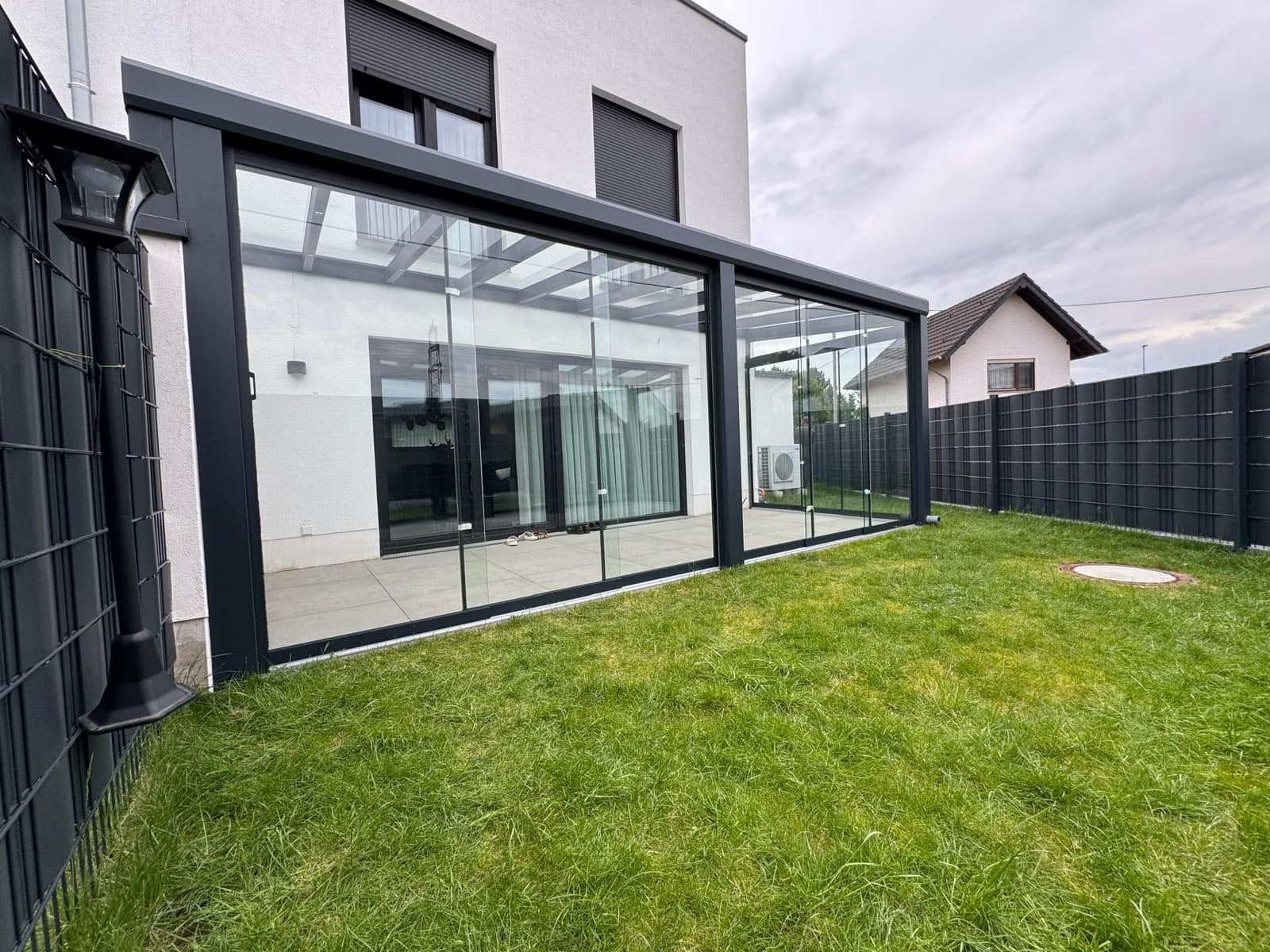
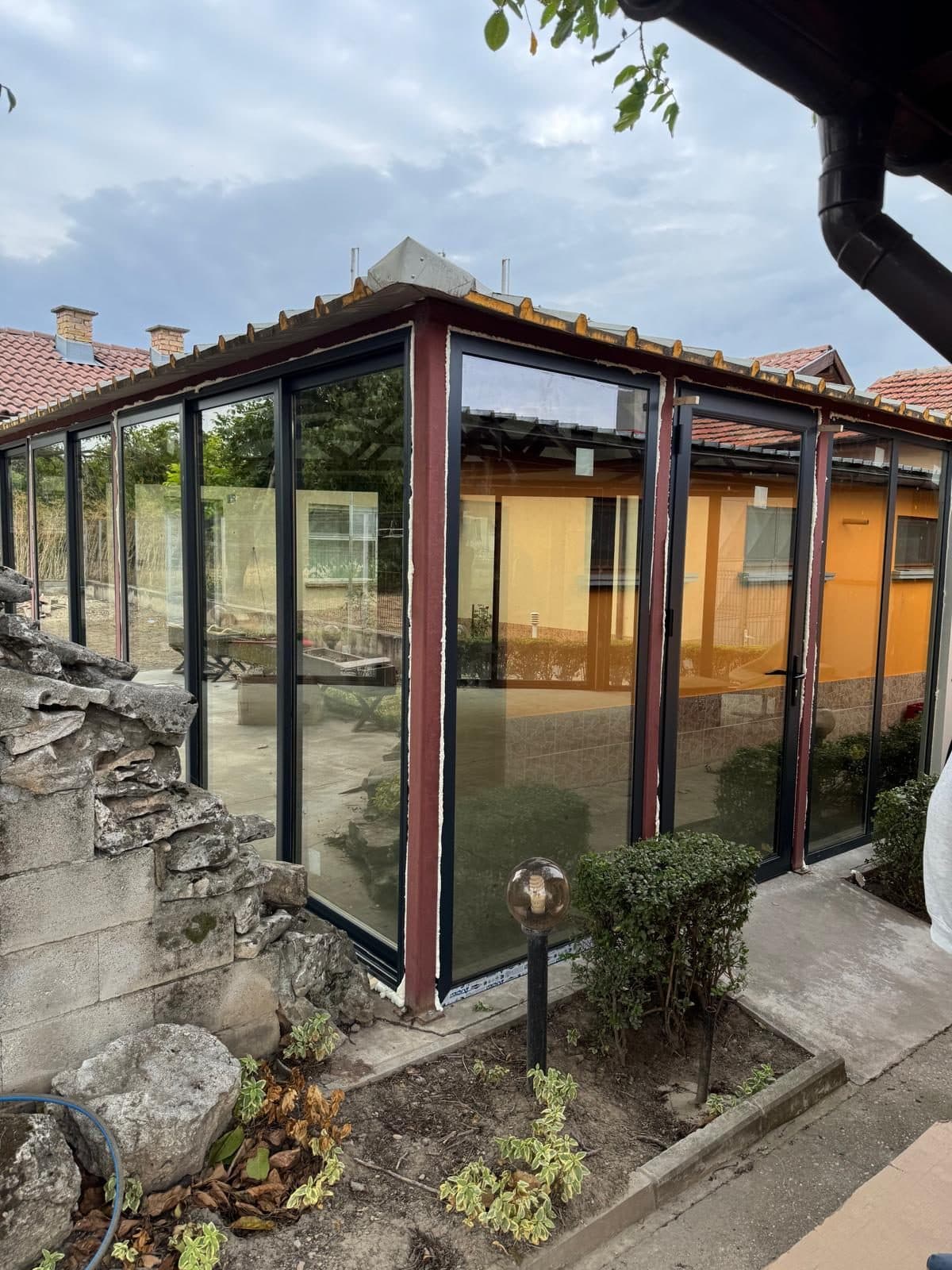
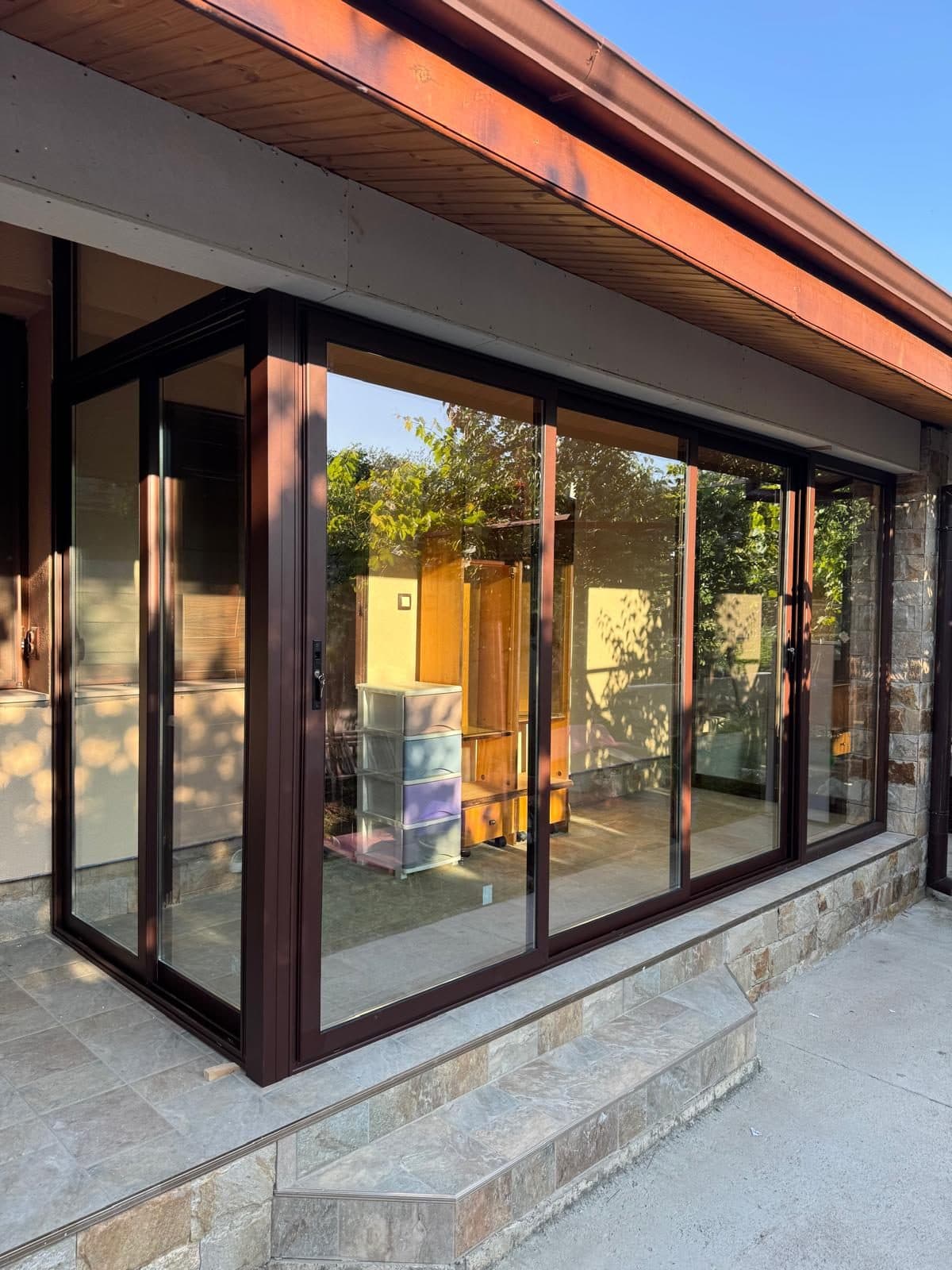
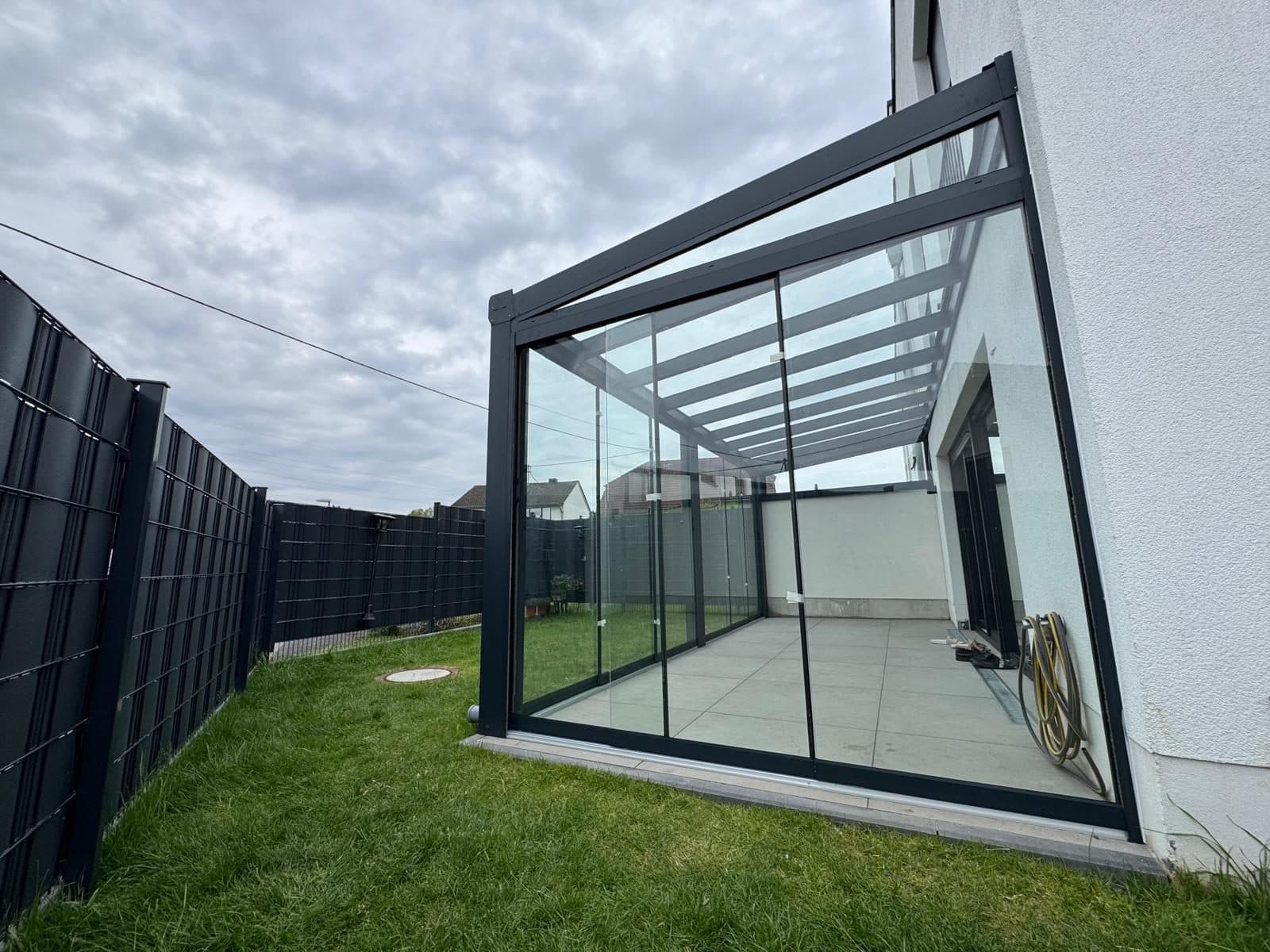
Frameless glazing (also called a frameless slide-and-turn system) is a row of glass panels with no vertical frames between them. The panels run in an upper and a lower aluminium track and, at the end of their travel, turn and stack against the wall. Open, the terrace is almost completely free. Closed, it looks like one smooth glass wall.
There are still horizontal aluminium profiles at the top and bottom, where the glass runs. "Frameless" means there is no frame around each panel and no posts between them. It is used on terraces and balconies, under aluminium verandas and pergolas, and for light summer gardens.
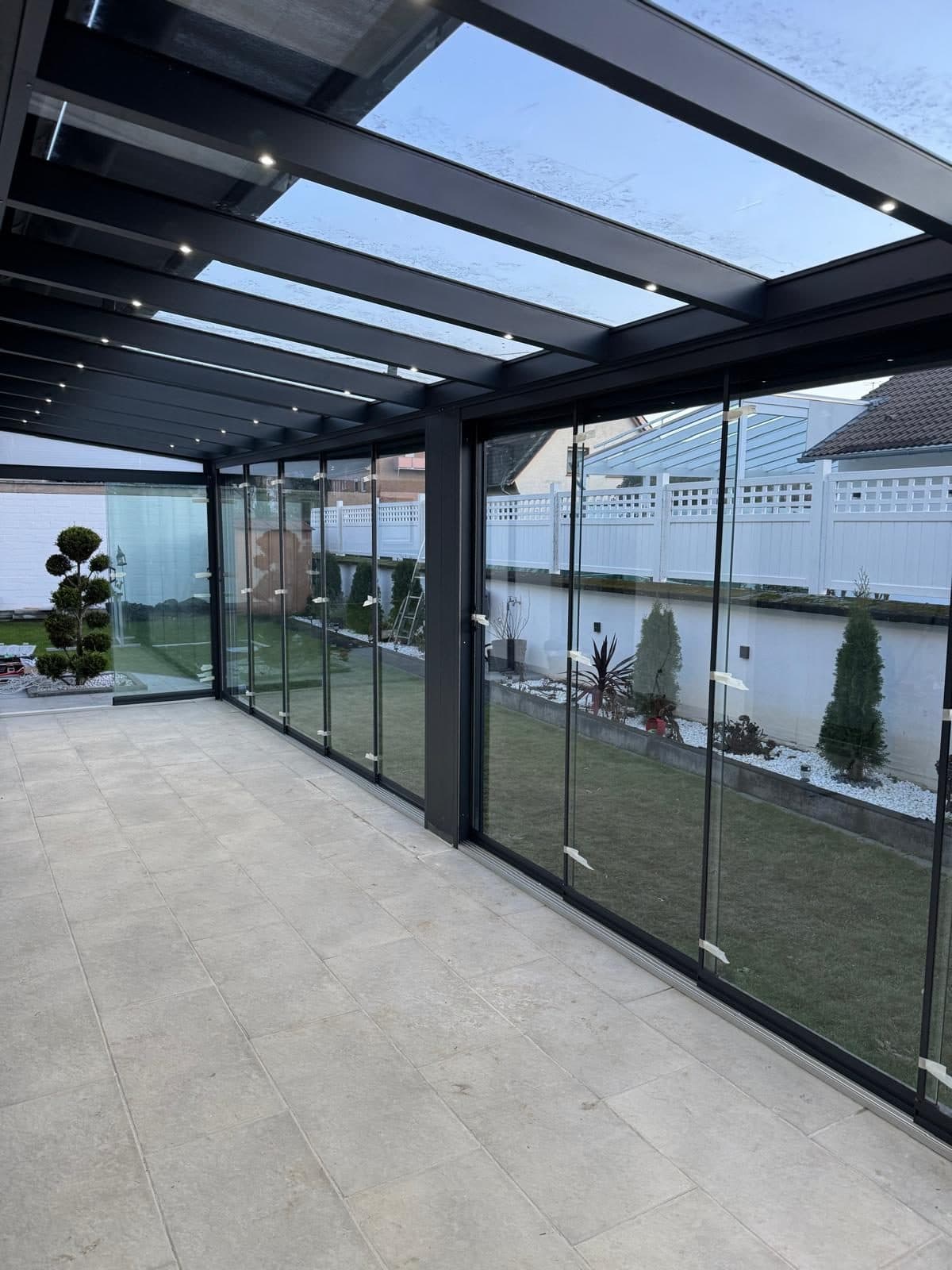
The advantages of frameless glazing
- An uninterrupted view. There are no frames between the panels, so the view is as clean as it gets. This is the main reason people choose it.
- Opens almost completely. The panels stack to one side and the terrace is open again. With classic sliding windows at least half always stays closed.
- Protection from wind, rain and dust. You can use the terrace for many more months: spring, autumn and sunny winter days.
- Easy cleaning. Every panel can open inwards, so both sides of the glass are cleaned from the terrace without leaning out.
- A light, modern look. Glass does not weigh the facade down visually and suits both new and older buildings.
The disadvantages forums often leave out
Most unhappy reviews come from expectations the system simply cannot meet. Here they are, honestly:
- It is not insulation. The glass is single and there are small gaps between the panels. Frameless glazing stops wind and rain but does not turn the terrace into a warm room. In winter it is nicer than outside, but not like indoors.
- It is not fully airtight. Clear seals sit between the panels, but driving rain can let a little water in and fine dust finds its way too. The bottom track needs drainage.
- Condensation. If you dry laundry or keep lots of plants on the glazed terrace, moisture will collect on the cold glass. Regular airing is needed.
- Limited locking. Usually one panel locks and the others are latched. It keeps out wind and prying eyes, but it is not burglar protection.
- Not the cheapest option. Toughened glass and a precise mechanism cost more than a basic sliding window of the same size.
Safety: what glass is used?
Frameless systems use toughened (tempered) safety glass. It is several times stronger than ordinary glass, and if it does break it crumbles into small blunt pieces instead of sharp shards. The thickness is chosen according to the panel height and the wind load. On high floors and exposed sites the wind is stronger, and the design must allow for that.
Important: on a balcony the glazing usually sits on the existing parapet. It does not replace the railing, and the parapet must be strong enough to carry the tracks. If it is crumbling concrete or an old metal railing, its condition is sorted out first.
Airing and cleaning day to day
Airing is simple: open one or two panels, or slide them all aside. Some systems also have a slight-opening position. When it is cold outside, air briefly and often rather than leaving a panel ajar all day. That reduces condensation.
A soft cloth and glass cleaner are all you need. Clear leaves and sand from the tracks a few times a year, because they hinder sliding. Rollers and seals need little care, but do not treat them with random oils that attract dust. Ask at installation what suits your system.
Five questions before you order
- What will you use the terrace for? Shelter from wind and rain in spring and autumn: frameless glazing is an excellent choice. A room for the whole year: insulated windows or a winter garden are better.
- How windy is the site? High floors and open gardens need thicker glass and stronger fixings.
- What state is the parapet or base in? The track must sit on a level, solid base. Unevenness of more than a few millimetres is levelled first.
- Is there a roof over the terrace? At the top the panels are fixed to a slab, beam or roof. If the terrace is open, think about a terrace roof first.
- Do you need a permit? In Bulgarian apartment buildings the facade is often a shared matter. Read when balcony glazing needs a permit and check with the municipality.
What determines the price of frameless glazing?
The price is worked out for the specific site, not just per square metre. It depends on the width and height of the opening, the number of panels and corners, glass thickness, profile colour, stacking to one or both sides, whether the base needs levelling and how difficult access is. That is why two neighbours with "identical" terraces can receive different offers. The surest way to find out is a free site visit and quote.
Who it suits and who it doesn't
It suits you if you want to use the terrace and garden for more months of the year, value the view, and want the space fully open again in summer. It works very well under a veranda or pergola on a house: the glass closes the sides, the roof protects from above.
It does not suit you if the terrace is meant to become part of the heated home, if a kitchen or bedroom will go there, or if burglar resistance on a ground floor matters to you. In that case compare the options in folding, sliding or frameless glazing and look at PVC and aluminium windows or winter gardens.
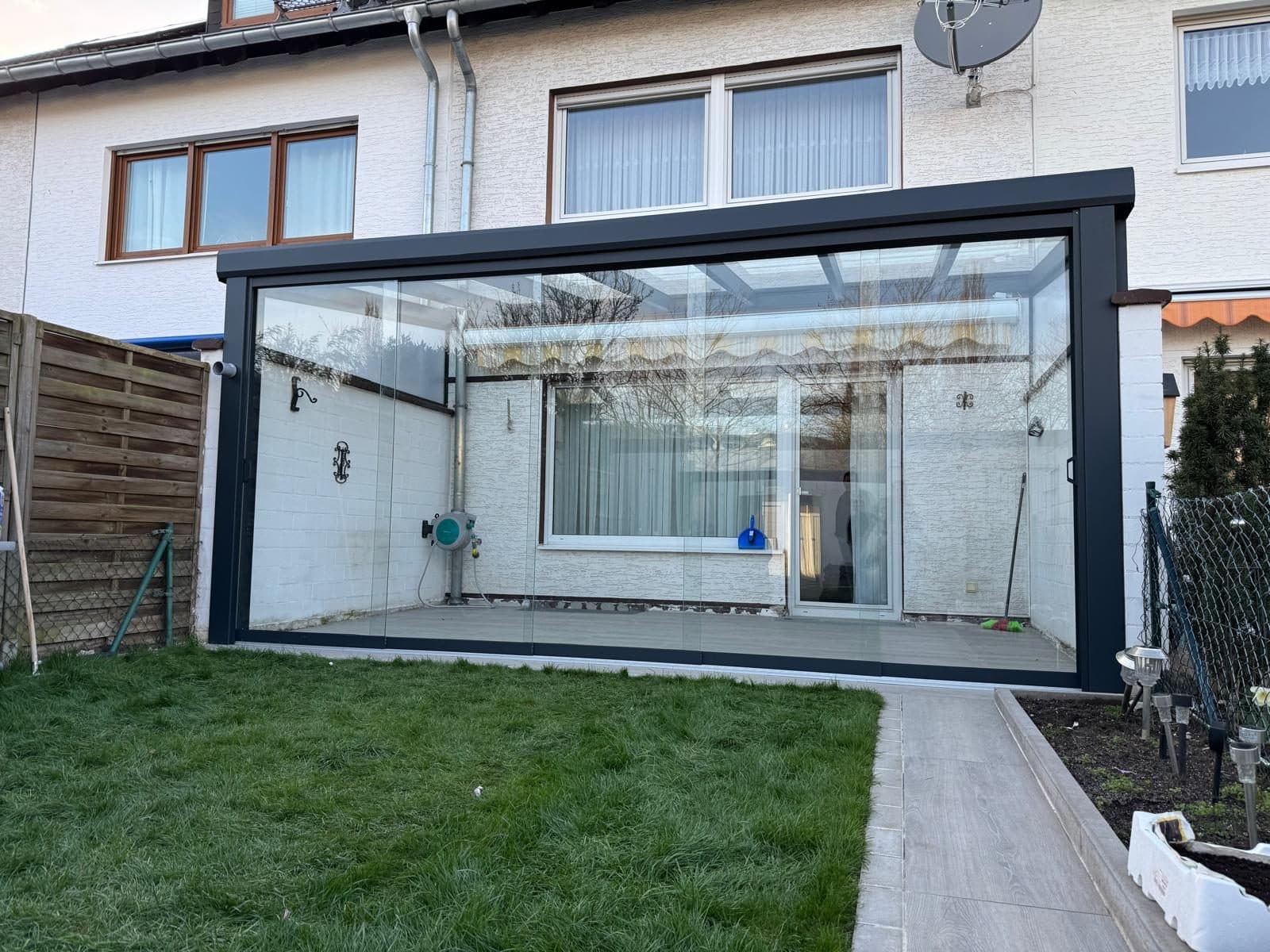
Common mistakes when choosing
- Comparing offers on price alone without asking about glass thickness and the mechanism.
- Glazing without a roof overhead, so water runs straight down the glass and tracks.
- Installing on an uneven base, after which the panels slide poorly.
- Expecting a warm room in January without heating and without insulated glass.
- Underestimating the wind on open and high sites.
To see how it could look at your home, browse our sliding glass systems. We work from Ruse across North-East Bulgaria and install all over the country, with more than 15 years of experience in Germany and the Netherlands.
The best advice comes on site. Book a free visit: we will measure the opening, check the base and roof, and tell you honestly whether frameless glazing is the right choice or whether something else fits better.
Frequently asked questions about frameless glazing
Is a terrace with frameless glazing warm in winter?
It is warmer than outside because the system stops wind and rain, but it is not like a room. The glass is single and there are gaps between the panels. If you want the terrace warm all year, insulated windows or a winter garden are more suitable.
Is frameless glazing the same as a slide-and-turn system?
Yes, they are two names for the same thing. Both describe glass panels without vertical frames that run in a track and stack to the side.
Does water get in with frameless glazing?
In normal rain the system protects well. In driving rain a little water can come through the gaps, so the bottom track needs drainage. A roof over the terrace greatly reduces the problem.
Is the glass safe if it breaks?
Toughened glass is used, which is much stronger than ordinary glass. If it does break, it crumbles into small blunt pieces rather than sharp shards. The thickness is chosen according to panel size and wind on site.
Can frameless glazing be locked?
Yes, usually one panel locks and the others are latched. That is enough against wind and accidental opening, but the system is not designed as burglar protection.
Do I need a permit for frameless balcony glazing?
It depends on the building and the municipality. In apartment buildings changing the facade often needs the neighbours' consent and approval. Check with the municipality before ordering what applies in your case.