Do you need a permit to glaze a terrace or balcony in Bulgaria?
The law makes glazing balconies and loggias easier, but that does not mean there are no rules. Here is what to check with the municipality and in your building before you order.
Published: November 4, 20267 min read
"Do I need a permit to glaze my balcony?" is one of the first questions people ask before ordering balcony glazing. The short answer: Bulgarian law makes glazing balconies and loggias easier, but that does not mean there are no rules. It matters whether you are glazing a balcony in an apartment block or a terrace at a house, whether the building is a listed monument and what the other owners in the building have decided. Here is how to approach it.
What the law says about balcony glazing
Art. 151(1) of Bulgaria's Spatial Planning Act (ZUT) lists the works that do not need a building permit. Item 6 on that list is "glazing of balconies and loggias". That is the wording of the text in force as of November 2026.
This provision is often retold as "glazing needs nothing at all". That is a risky simplification, for three reasons:
- It covers balconies and loggias. A house terrace, a roof terrace or an open area at yard level are not named explicitly. If the glazing creates a new enclosed room with a new roof, the municipality may treat it as a different kind of construction.
- There is an exception for cultural heritage. Under Art. 151(2), in immovable cultural monuments and their protection zones these works are carried out only after approval under the Cultural Heritage Act.
- No permit does not mean no rules. The municipality may have requirements for the appearance of buildings, and in an apartment block the other owners have a say about the facade too.
Balcony, loggia or terrace – why the difference matters
A balcony projects from the facade and is open on three sides. A loggia is set into the building and open only at the front. A terrace is usually a larger open area – on a roof, above a lower floor or at yard level. In everyday speech the words blur, but for the municipality the difference matters.
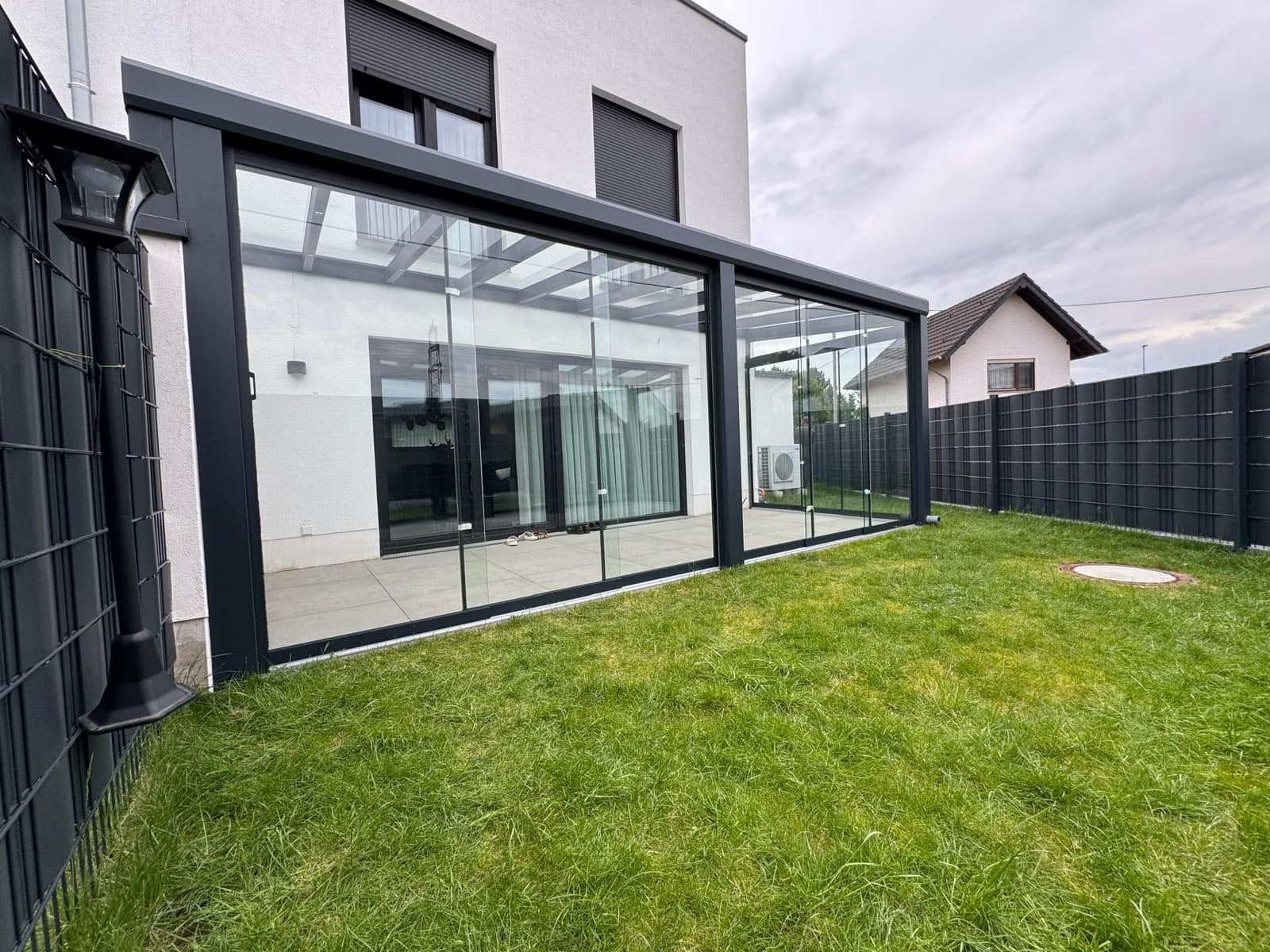
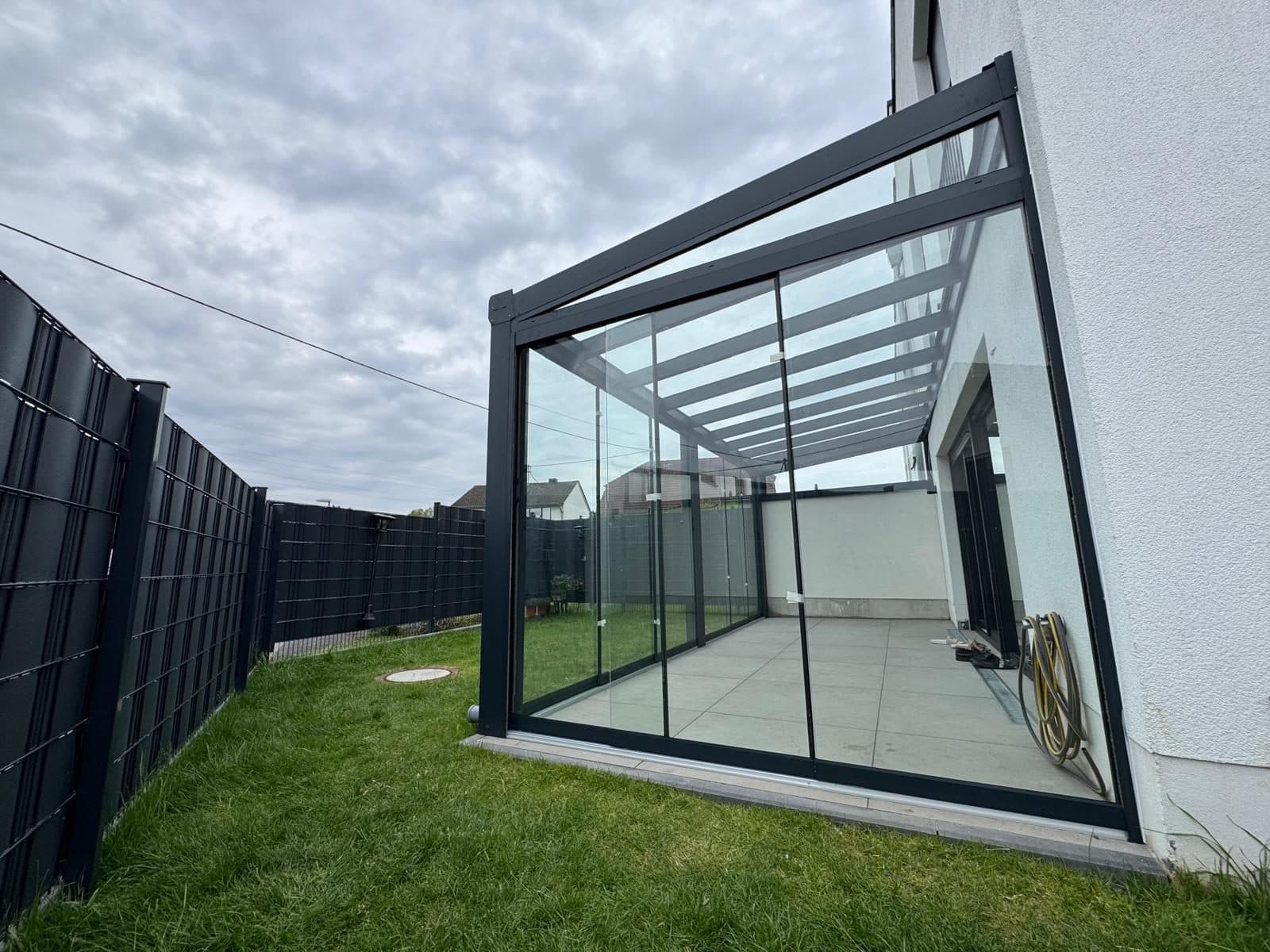
Glazing a balcony or loggia only closes a space that is already part of the building. But when a new roof, posts and glass walls are added over a terrace, it is closer to a winter garden or a veranda. Then the answer about the permit may be different – see also our article on a winter garden on the terrace.
Glazing a balcony in an apartment block: neighbours and the owners' association
In a building held in condominium ownership, the facade is usually regarded as a common part. Glazing your balcony changes the look of the whole building, so check what the owners' general meeting has decided and whether a uniform style of glazing has been agreed – profile colour, type of glass, division of the panels.
- Ask the building manager or the chair of the owners' association whether there is a decision on the look of the balconies.
- If neighbours have already glazed, look at the solution they chose – it is often sensible to follow it.
- When in doubt, get your neighbours' written consent or a decision of the general meeting. That is the best protection in a future dispute.
- Check with the municipality whether there are facade requirements for your building or neighbourhood.
Owners' rights over common parts are governed in Bulgaria by the Property Act and the Condominium Management Act, and how they apply depends on the specific case. If there is a dispute with the neighbours, talk to a lawyer before you order.
Glazing a terrace at a house
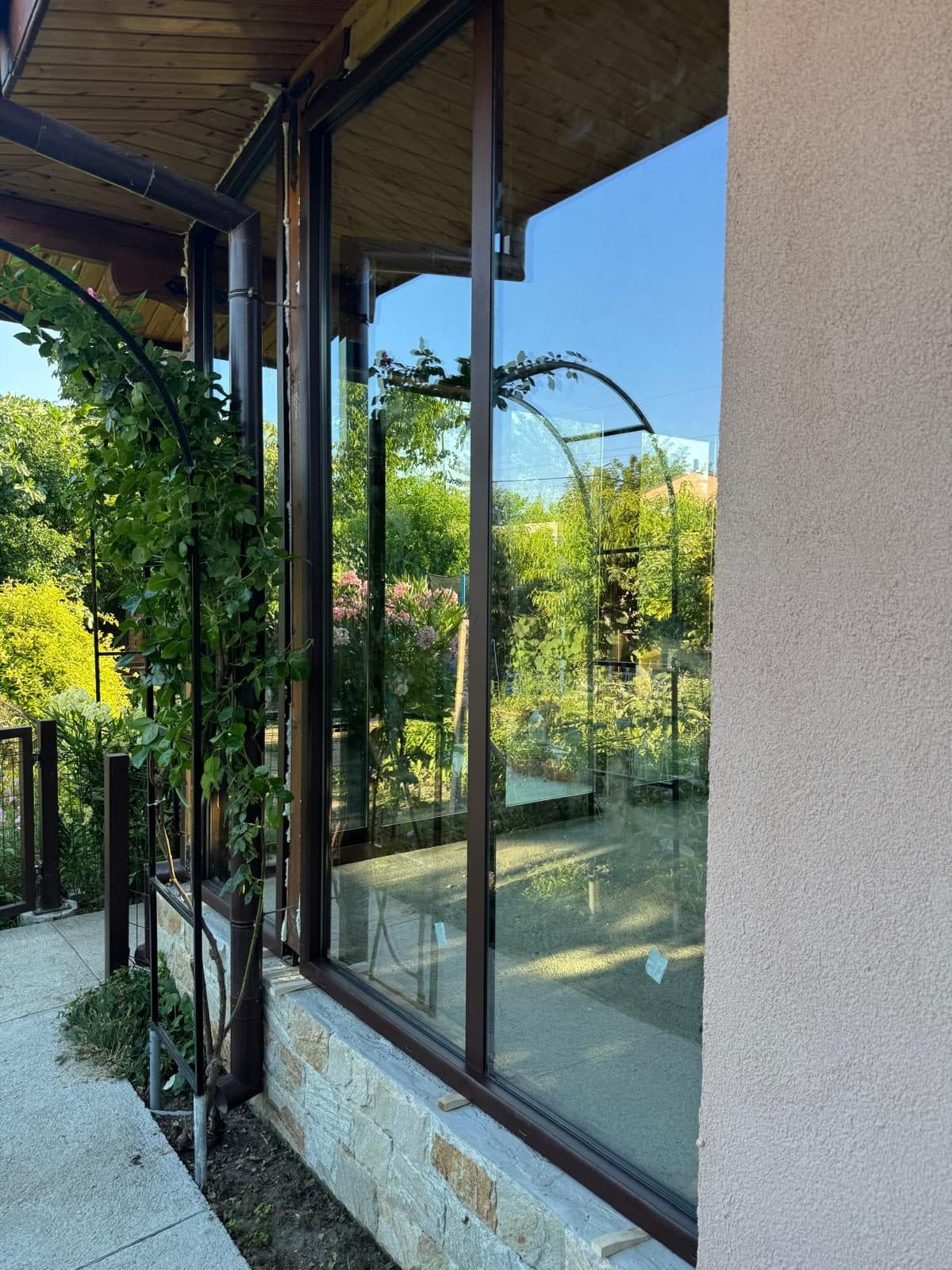
A detached house has no owners' association, but the questions for the municipality remain. Glazing an existing covered terrace or balcony is the simplest case. If the roof is new, the terrace sits above a garage or the area is large, discuss the idea with the municipality first. The same applies if the glazed terrace will become part of the living room – for example if the wall or door between them is removed.
The technical side the law does not cover
Even when no permit is needed, the glazing has to be safe and must not damage the building. Before you order, check:
- The load capacity of the balcony and railing. Glass and profiles add weight and wind load. With an old balcony, cracks or rusty reinforcement, consult an engineer first.
- Wind at height. Higher floors take more wind load, and the system and its fixing have to allow for that.
- Drainage. Water must not collect in front of the glass, and the bottom profile must be able to drain it outside.
- Ventilation and condensation. A closed balcony without ventilation collects moisture. Think about which panels will open.
- The type of glass. Balcony glazing usually uses toughened glass, which breaks into small pieces. Which option suits you is settled on site.
- Vents and combustion appliances. If there is a vent, a gas appliance or a flue on the balcony, glazing it without changes can be dangerous – check with a specialist.
How to check, step by step
- Define what you are glazing: a balcony, a loggia, a terrace under an existing roof or a terrace that will get a new roof.
- Check the building's status: whether it is a cultural monument or lies in a protection zone.
- In an apartment block, talk to the owners' association: is there a decision on a uniform look, and is consent needed?
- Ask the municipality what is required in your case and get the answer in writing or by e-mail.
- Choose a system and book a site visit so the condition of the balcony and railing can be checked.
If you have not chosen the type of glazing yet, see our comparison of terrace glazing systems and the pros and cons of frameless glazing. We can suggest a specific option for your balcony at a free site visit.
Which glazing is easiest to get accepted
The less the glazing changes the look of the building, the fewer objections there will be. Frameless glazing and sliding glass systems keep the feel of an open balcony because the profiles are slim and the glass slides aside. If you want a warm balcony that becomes part of the home, insulated windows suit better – but they change the facade more, so the neighbours' consent matters even more.
We work in Ruse, north-east Bulgaria and across the whole country. Book a free site visit – we will look at the balcony or terrace, take measurements and discuss which glazing suits the building.
Frequently asked questions
Do you need a permit to glaze a balcony in Bulgaria?
Under Art. 151(1)(6) of the ZUT, glazing balconies and loggias is among the works that do not need a building permit. That does not cancel the municipality's rules on the building's appearance, the approval needed for cultural monuments or the rights of the other owners in the block. Confirm with the municipality before installation.
Do I need my neighbours' consent to glaze a balcony in an apartment block?
The facade is usually a common part, so it is sensible to check what the general meeting has decided and whether a uniform style of glazing exists. Written consent or a general meeting decision protects you in a future dispute. If there is a conflict, consult a lawyer.
Do you need a permit to glaze a terrace at a house?
The law explicitly names balconies and loggias, not every terrace. Glazing an existing covered terrace is usually simpler, but if a new roof is added or a new room is created, the municipality may require a permit. Ask in advance.
How much does a permit for terrace glazing cost?
Fees are set by each municipality and change over time, so we do not quote amounts. If a design is needed, the designer's fee comes on top. Your municipality's customer service desk can give you the exact information.
What happens if I glaze my balcony without the neighbours' consent?
If the glazing breaks the municipality's rules or the other owners' rights, it can lead to an order, a dispute or a demand to remove it. The risk is highest when the glazing looks very different from the other balconies. So check in advance and keep the paperwork.