uPVC or aluminium windows: which is better for your home?
uPVC or aluminium? The answer depends on the size of the glass, the style of the building and how the room is used. Here's an honest comparison and when each material makes sense.
Updated: November 4, 20267 min read
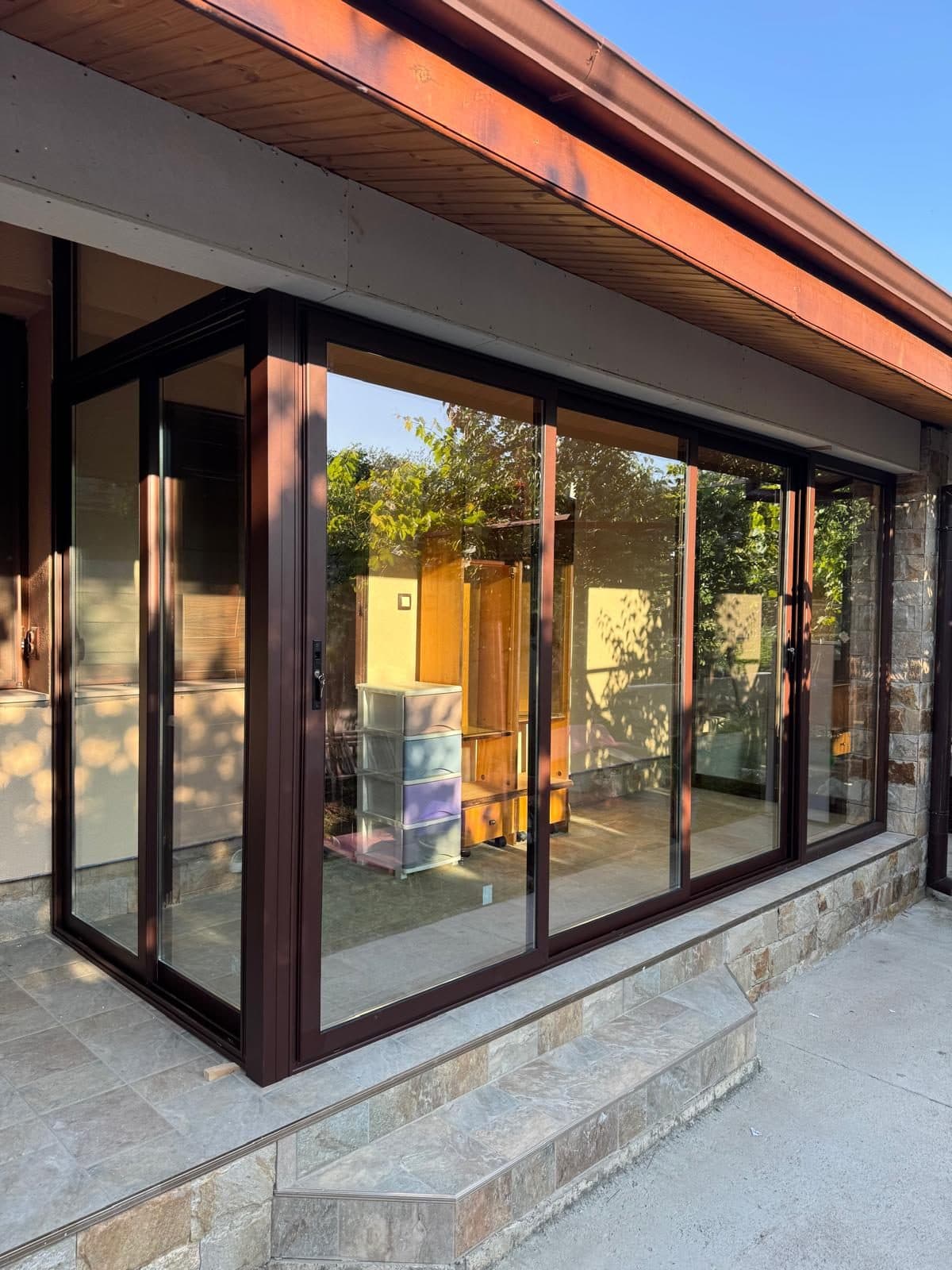
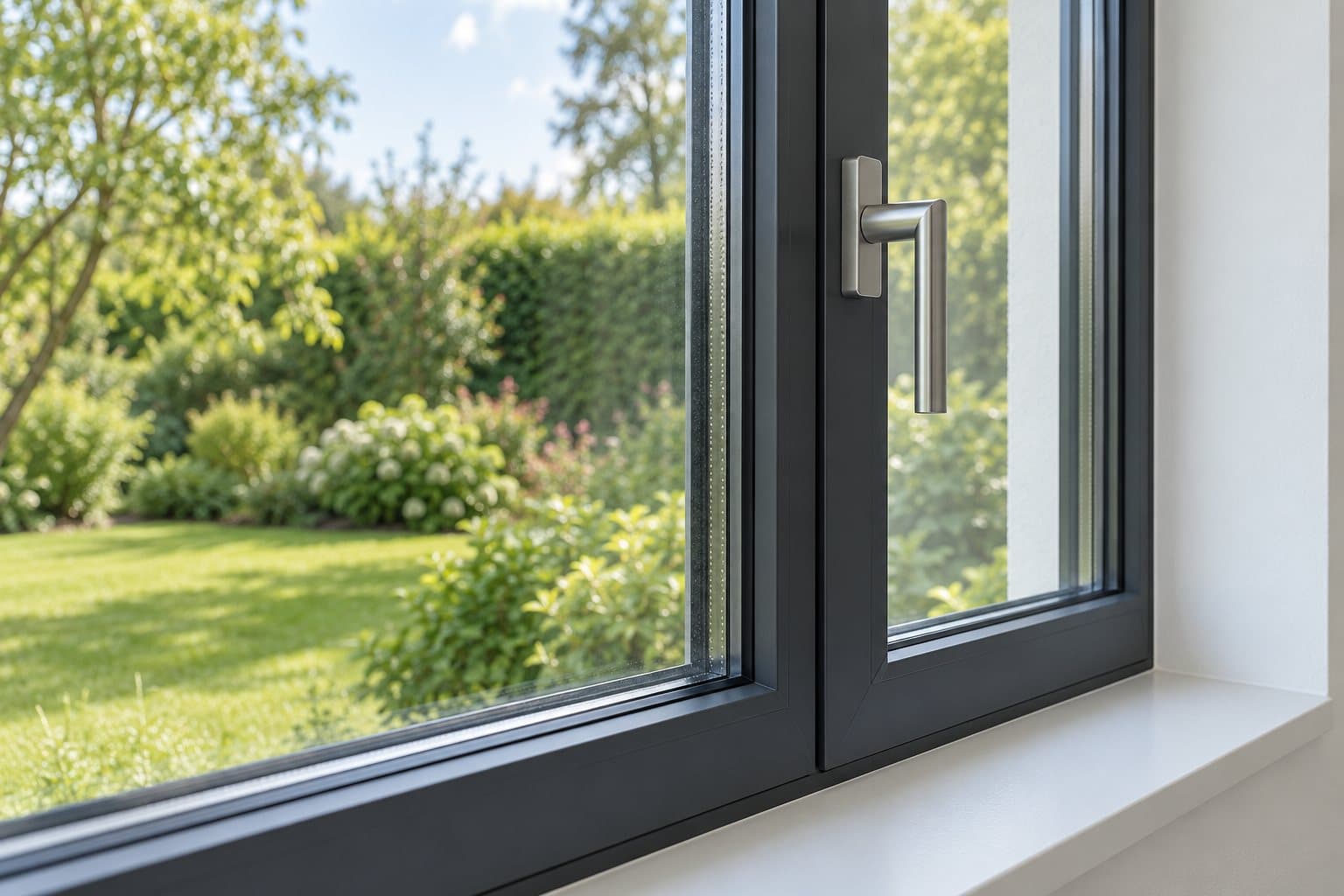 Illustrative photo
Replacing your windows is one of the best investments in your home: fewer draughts, more quiet, lower heating and cooling bills. The first question is almost always: which is better, aluminium or uPVC (PVC) windows? In forums you'll find strong opinions both ways. The truth is that both materials are good when chosen for the right place and installed properly.
In this article we compare uPVC and aluminium windows on what really matters: insulation, strength, glass size, looks, maintenance and price. At the end you'll find short recommendations for a house, a flat, a terrace and large glazing.
uPVC windows: what you should know
uPVC profiles are hollow, divided into several air chambers and reinforced inside with steel. The chambers and the material insulate well, which is why uPVC is the most common choice for homes in Bulgaria.
- Good thermal insulation even with standard systems.
- Lower price for normal window sizes.
- Easy care: wash with water and mild detergent, no painting.
- Many colours and foils, including wood effect and anthracite.
- Limits: the profiles are wider, and very large, heavy sashes need heavier systems. Dark colours heat up more in the sun, so manufacturers set size limits for them.
Aluminium windows: what you should know
Aluminium is much stronger and stiffer than uPVC. That allows slim profiles, large panes and large sliding doors. On its own, though, aluminium conducts heat well, so heated rooms use profiles with a thermal break: an insulating strip separates the outer and inner parts of the profile. Read more in the article on aluminium windows with a thermal break.
- Strength: slimmer profiles, more glass, bigger sizes.
- Large glazing: sliding and lift-and-slide doors, shopfronts, corner glazing.
- Modern look: especially in anthracite, black and metallic shades.
- Durability: does not warp in the sun, and the powder-coated surface is hard-wearing.
- Limits: higher price for the same size. Without a thermal break it only suits unheated spaces.
Point-by-point comparison
- Thermal insulation: both materials reach very good values. uPVC does it more easily and cheaply, aluminium with a thermal break and suitable glazing. Look at the whole-window U-value (Uw): the lower, the better.
- Sound insulation: depends mainly on the glazing and seals, less on the profile material.
- Glass size: for large sizes aluminium is clearly better.
- View and light: aluminium profiles are slimmer, so there's more glass.
- Maintenance: both are easy to care for. Clean regularly, lubricate the hardware, check the seals.
- Price: for standard windows uPVC is usually cheaper. With large sliding systems the gap shrinks, because uPVC simply isn't suited to them.
- Look: uPVC is classic and practical, aluminium modern and minimal.
Which windows for a house?
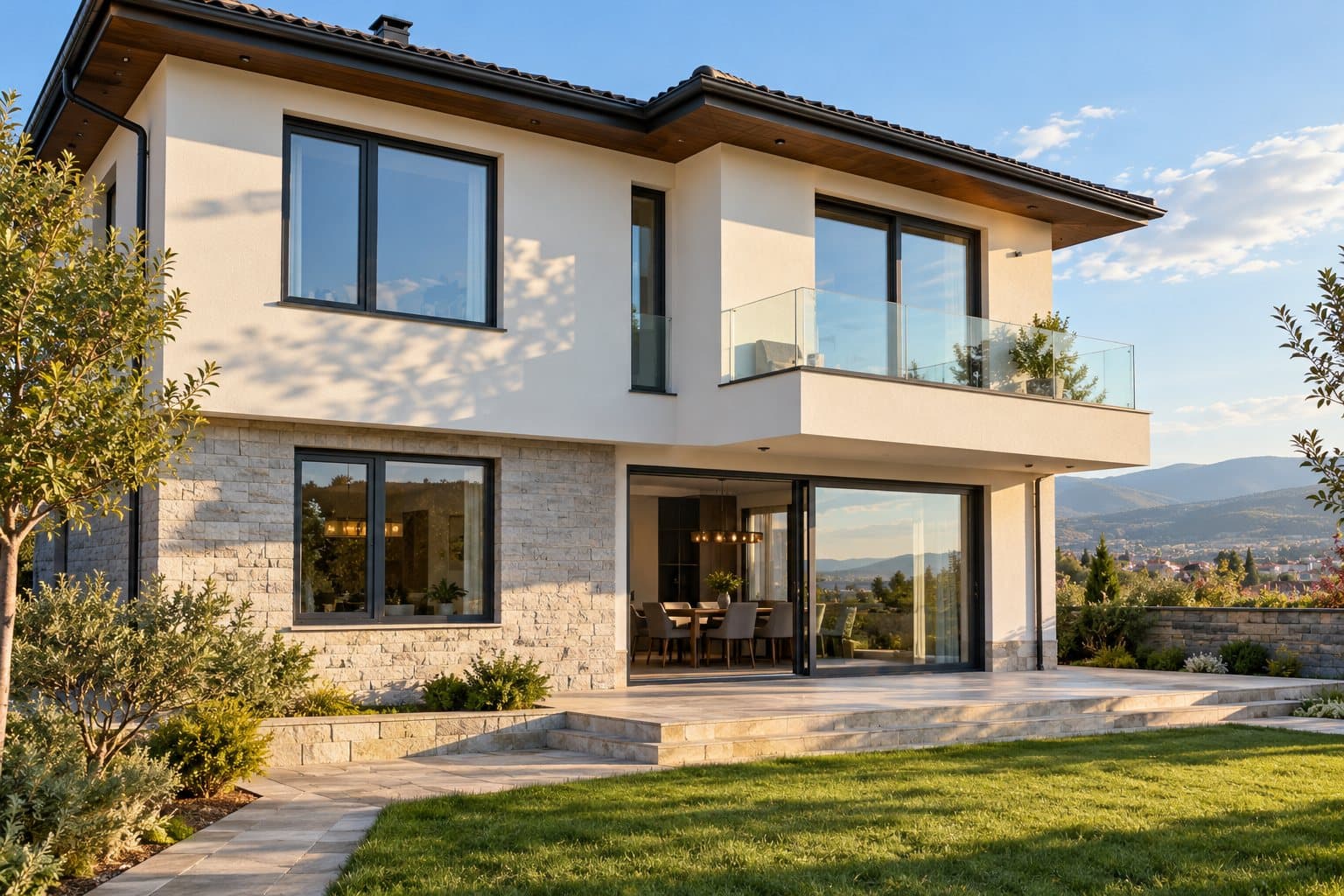
For a house, a combination is often best. Ordinary windows in bedrooms, bathroom and kitchen can be uPVC. The large sliding door to the garden, corner glazing in the living room or shopfronts are better in aluminium. If you want a consistent look from outside, both materials come in anthracite, so the façade looks of a piece.
Which windows for a flat?
For standard windows in a flat, uPVC is an excellent, sensible choice. When glazing a terrace or balcony, consider whether it will become part of the heated home: if so, you need insulated profiles and double glazing. If it stays a buffer between inside and out, a lighter solution with sliding glass or frameless glazing may suit better. We compare the options in the article on types of terrace glazing.
Windows for winter gardens and large glazing
For winter gardens, verandas and large sliding doors, aluminium is practically the only serious choice. The structure carries heavy glass and a roof, and uPVC isn't designed for such loads and sizes.
How window replacement works
Whatever you choose, the process is roughly the same. It's worth knowing in advance so you can plan the rest of the renovation around it:
- Site visit and measuring: every opening is measured on site, because walls are rarely perfectly straight. Material, colour, opening type and glazing are agreed for each room.
- Quote and manufacturing: the windows are made to the exact measurements.
- Removing the old windows: carefully, to protect the wall and sills.
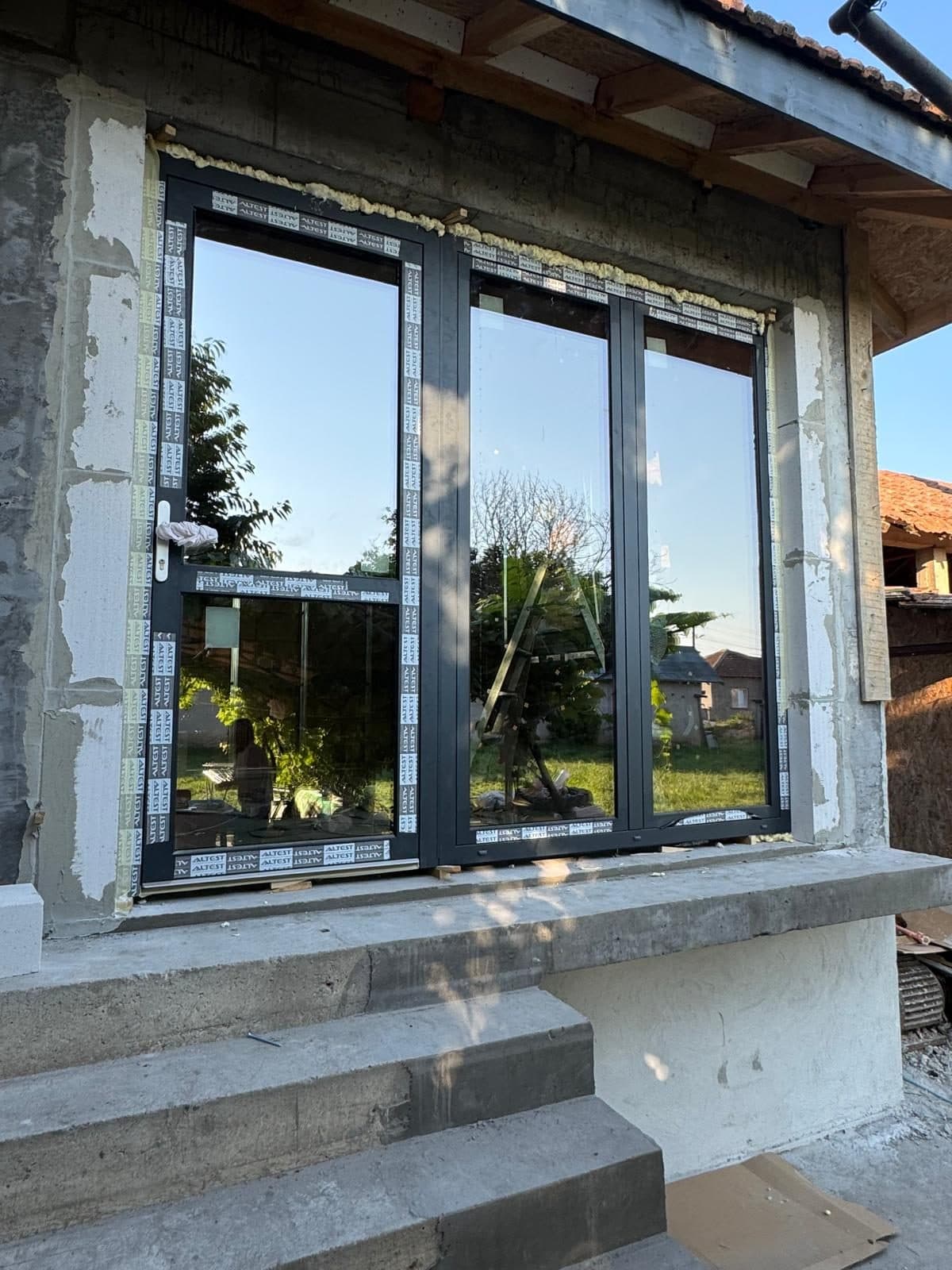
- Installation: the frame is levelled and fixed, and the joint around it is sealed and insulated.
- Finishing: adjusting the sashes, finishing the reveals and cleaning up.
If a renovation is still ahead, replace the windows before painting and before the floors. And if you want to know what suits your openings, book a free site visit while you're still planning.
Don't look only at the profile
The profile is only one of four parts of a good window. The other three often matter even more:
- The glazing: double or triple, with low-emissivity glass and a suitable spacer. It's the largest surface of the window.
- The hardware: it decides how easily, and for how many years, the sash opens and closes without sagging.
- The seals: they keep draughts and noise outside.
- The installation: correct fixing, sealing and insulation of the joint around the frame. A good window badly installed will still leak air and mist up at the edges.
Common mistakes when choosing windows
- Choosing on price per square metre alone, without comparing exactly what the quote includes.
- Aluminium without a thermal break for a heated room.
- Very large or dark uPVC sashes the material isn't suited to.
- Forgetting to ventilate: new, tight windows stop draughts, but the home still needs airing or condensation appears.
- Installation without proper sealing of the joint between frame and wall.
In short: which windows are better?
- Standard windows in a home: uPVC is an excellent choice.
- Large glass, sliding doors, shopfronts and a modern façade: aluminium.
- Winter gardens and verandas: aluminium.
- The most common good answer: a combination of both in one building.
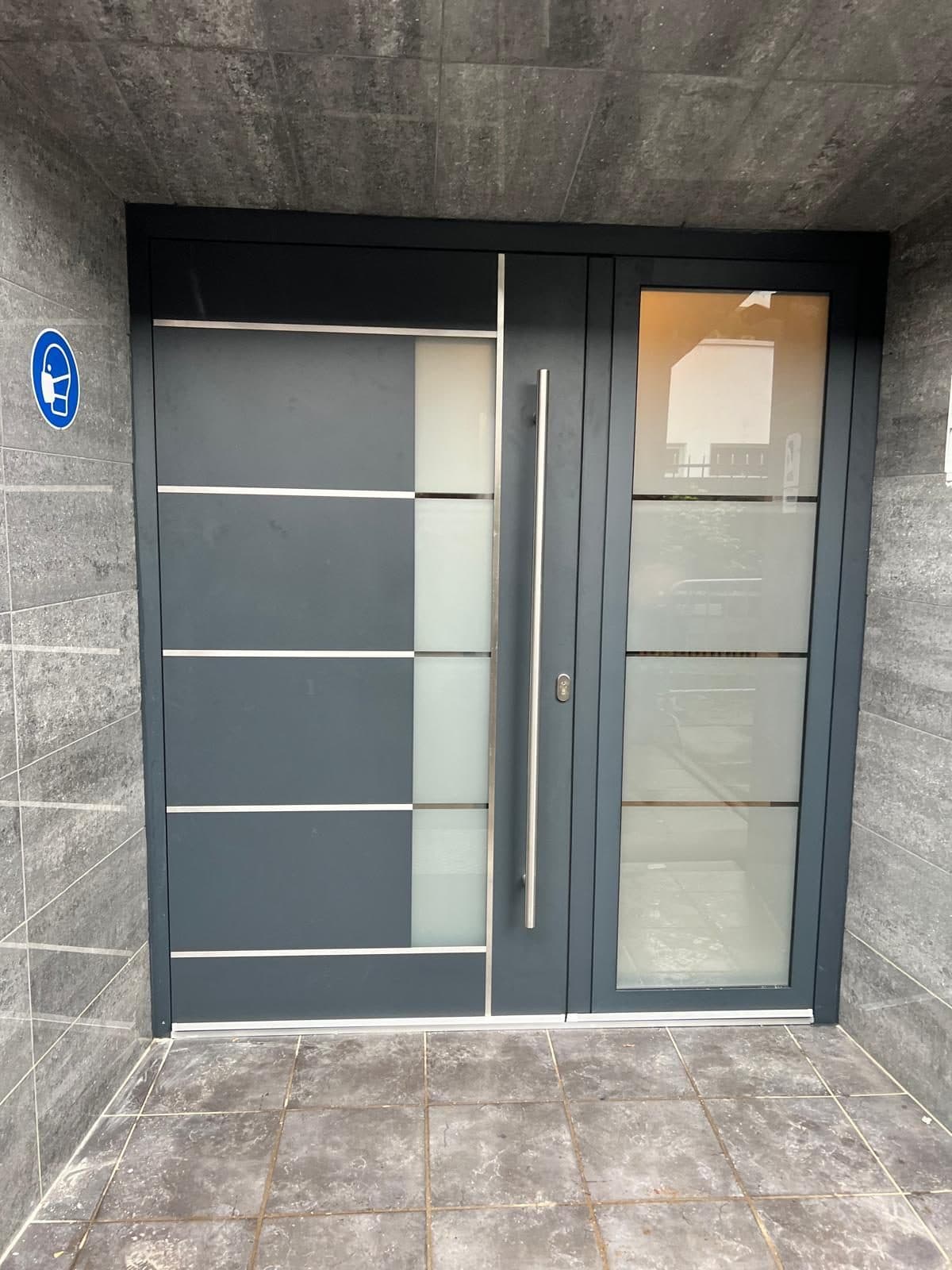
The front door is a separate topic with its own requirements. How to choose between an aluminium and a uPVC front door, we explain in the article on front doors, and you can see the models on the front and garage doors page.
GS Aluminium has a showroom in Ruse and installs uPVC and aluminium windows in Ruse, north-east Bulgaria and the whole country. See more about uPVC and aluminium windows or book a free site visit: we'll measure the openings, talk through what each room needs and suggest a solution that makes sense for your home.
uPVC and aluminium windows FAQ
Which is warmer, uPVC or aluminium windows?
uPVC insulates well even with standard systems. Aluminium windows can insulate just as well, but only with a thermal break and suitable glazing. Compare the value for the whole window, not just the material.
Which is cheaper, uPVC or aluminium?
For standard windows uPVC is usually cheaper. For large sliding doors and shopfronts aluminium is practically the only suitable option, so comparing on price makes little sense there.
Which windows should I choose for a terrace or balcony?
If the terrace becomes part of the heated home, you need insulated profiles and double glazing, in uPVC or thermally broken aluminium. If it stays unheated, lighter glazing with sliding glass is often the better fit.
Do uPVC windows hold up in the sun?
Good-quality uPVC profiles are UV-resistant. Dark colours heat up more, though, so they come with sash size limits that need to be respected.
Can you mix uPVC and aluminium windows in one house?
Yes, and it's often the best solution. Ordinary windows are uPVC, while large glazing and sliding doors are aluminium, in the same colour outside.
Why do new windows mist up?
New windows stop draughts, so moisture from the home stays inside and condenses on the coldest spots. Regular airing and proper installation with an insulated joint around the frame help.